
Why Do Walls Stay Damp? Common Causes and Solutions
Share This Blog
Why Do Walls Stay Damp Even When It Hasn't Rained? Common Causes and Solutions
You run your hand across the wall and notice it’s slightly damp. Maybe there’s a faint musty smell, a patch of peeling paint, or dark stains starting to appear. Naturally, you look outside—but it hasn’t rained for days.
So, where is the moisture coming from?
If you’ve been wondering why your damp walls seem to appear out of nowhere, you’re not alone. It’s a common issue in Malaysian homes, and surprisingly, rain isn’t always the main culprit.
Malaysia’s warm, humid climate creates the perfect conditions for moisture to build up inside homes. Left untreated, damp walls can lead to peeling paint, mould growth, unpleasant odours, and even damage to the wall itself.
The good news is that once you understand what’s causing the problem, it’s much easier to fix—and prevent it from coming back.
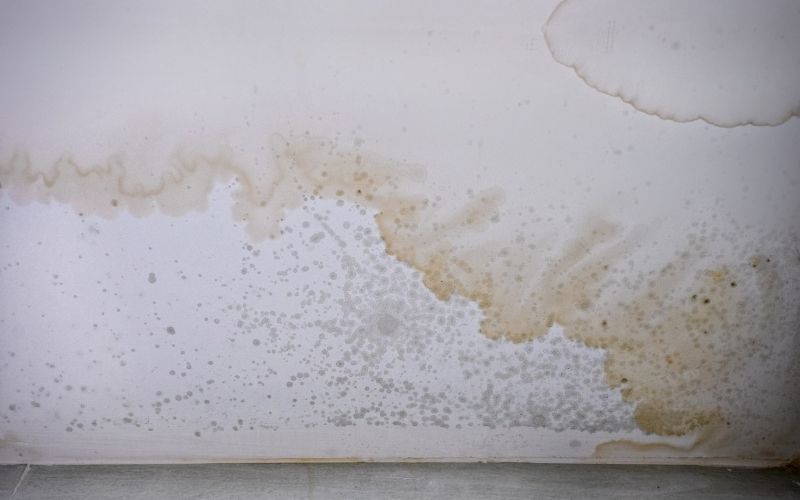
Why Are My Walls Damp Even Without Rain?
When people notice damp walls, they often assume there’s a roof leak or rainwater seeping through the exterior. While those are possible causes, many cases of wall dampness actually begin inside the home.
Moisture can build up gradually through everyday activities like cooking, showering, drying clothes indoors, or simply because humid air has nowhere to escape.
In Malaysia, where average humidity levels often exceed 80%, walls are constantly exposed to moisture. If that moisture can’t evaporate properly, it eventually becomes visible.
Here are some of the most common causes.
1. High Humidity and Condensation
One of the biggest reasons walls become damp is condensation.
Warm, moisture-filled air comes into contact with cooler wall surfaces, causing tiny water droplets to form. Over time, this repeated cycle can leave walls feeling damp even though there’s no leak.
Condensation is especially common in:
- Bedrooms with air conditioning
- Bathrooms
- Kitchens
- Rooms with poor airflow
You may notice damp patches in the morning that seem to disappear later in the day. That’s often a sign that condensation—not rain—is the source of the problem.
2. Hidden Water Leaks
Not every plumbing leak is obvious.
A small leak inside a wall can go unnoticed for weeks or even months before visible signs begin to appear.
Watch out for:
- Circular damp patches
- Bubbling paint
- Soft plaster
- Water stains that continue to grow
- Dampness concentrated in one area
If the affected wall is near a bathroom, kitchen, water pipe, or air-conditioning unit, it’s worth checking for hidden leaks before repainting.
Simply covering the stain with fresh paint won’t solve the underlying issue.
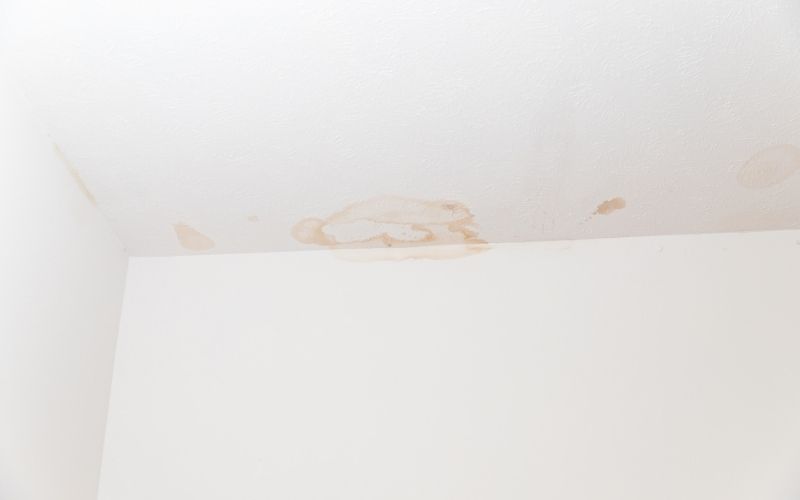
3. Rising Damp from the Ground
Although less common in modern homes, rising damp can still affect older properties.
This happens when groundwater moves upward through bricks or concrete due to capillary action.
Signs of rising damp include:
- Dampness near the bottom of walls
- Peeling paint close to the floor
- White powdery deposits (efflorescence)
- Crumbling plaster
If left untreated, rising damp can gradually weaken wall finishes and make repainting ineffective.
4. Poor Ventilation Inside the Home
Sometimes the problem isn’t too much moisture—it’s not enough fresh air.
Poor ventilation traps humid air indoors, allowing moisture to build up over time.
This is particularly common in:
- Windowless bathrooms
- Laundry areas
- Small apartments
- Storage rooms
- Homes where windows remain closed throughout the day
Simple improvements like opening windows, using exhaust fans, or increasing airflow can significantly reduce indoor moisture levels.
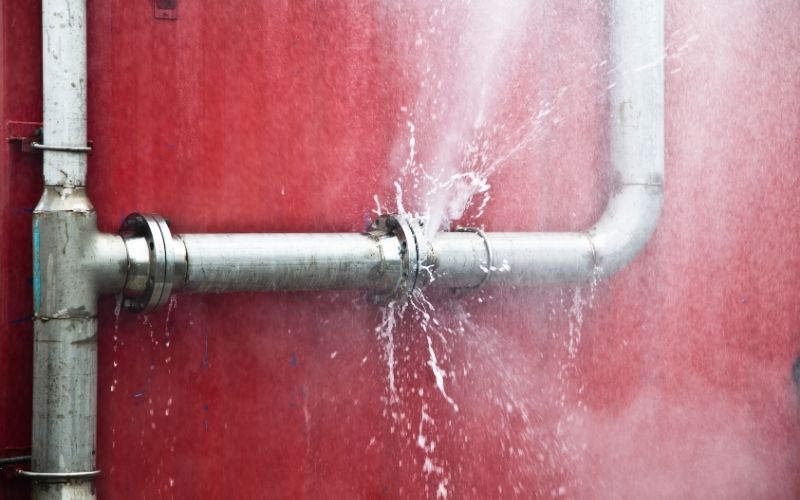
5. Exterior Wall Damage That Lets Moisture In
Even if it hasn’t rained recently, previous rainfall may have already found its way into your walls.
Small cracks, damaged sealants, or worn exterior paint can allow moisture to penetrate the wall over time.
Because the wall takes time to dry out, damp patches may only become noticeable days after the rain has stopped.
This is why regular maintenance of exterior walls is so important, especially in Malaysia’s tropical climate where heavy rainfall is frequent.
How to Fix Damp Walls the Right Way
The biggest mistake homeowners make is treating the symptom instead of the cause.
Before repainting, identify where the moisture is coming from.
Depending on the situation, the solution may involve:
- Repairing leaking pipes
- Improving ventilation
- Sealing exterior cracks
- Repairing waterproofing
- Allowing walls to dry completely before repainting
If mould has already started to develop, clean and treat the affected area before applying any new paint.
Painting over moisture usually results in peeling, bubbling, or recurring stains within a relatively short period.
How to Prevent Damp Walls in Malaysian Homes
While you can’t control Malaysia’s weather, you can reduce the likelihood of moisture problems with regular maintenance.
Here are a few simple habits that help:
- Open windows whenever possible to improve airflow.
- Use exhaust fans in kitchens and bathrooms.
- Repair plumbing leaks promptly.
- Inspect exterior walls for cracks and damaged sealants.
- Avoid drying large amounts of laundry indoors without ventilation.
- Choose quality paints that offer moisture resistance and anti-mould protection.
For areas that are naturally exposed to higher humidity, selecting the right paint system is just as important as fixing the source of the moisture.
Seamaster Paint offers interior and exterior coatings formulated to withstand Malaysia’s humid climate, including solutions with anti-mould and moisture-resistant properties that help protect walls while maintaining a clean, attractive finish.
Final Thoughts
Damp walls don’t always mean your roof is leaking, and they don’t always appear after heavy rain.
In many Malaysian homes, high humidity, condensation, poor ventilation, hidden plumbing leaks, or ageing exterior walls are often the real causes.
The sooner you identify the source, the easier it is to prevent more serious problems like mould, peeling paint, and costly repairs.
If your walls continue to feel damp even during dry weather, don’t ignore the warning signs. A little investigation today can save you significant time, money, and frustration in the future—and help keep your home healthier and more comfortable for everyone living in it.

Aida - SMP Colour & Paint Specialist
Sharing practical house painting tips, smart techniques, and real-world industry insights.
Table of Contents
- Why Do Walls Stay Damp Even When It Hasn't Rained? Common Causes and Solutions
- Why Are My Walls Damp Even Without Rain?
- 1. High Humidity and Condensation
- 2. Hidden Water Leaks
- 3. Inspect the Wall Surface
- 4. Remove Dust, Dirt and Construction Residue
- 5. Check if Primer Is Needed
- 6. Test Your Paint Colours Before Committing
- 7. Choose Paint That's Suitable for Malaysian Homes
- Final Thoughts


