
Cracks on Your Walls? What They Could Be Telling You About Your Home
Share This Blog

Cracks on Your Walls? Here's What They Could Be Telling You About Your Home
You’re walking through your home one day and notice a thin line running across the wall. Maybe it’s near a window, above a door frame, or stretching across the ceiling. At first glance, it might seem harmless. After all, houses age, and small imperfections are normal.
But are they?
The truth is, wall cracks can tell you a lot about the condition of your home. Some are purely cosmetic and easy to fix, while others may point to underlying issues that require attention. Understanding the difference can help you avoid unnecessary repairs, protect your property, and give you peace of mind.
Before you reach for a paintbrush, it’s worth taking a closer look at what those cracks may be trying to tell you.
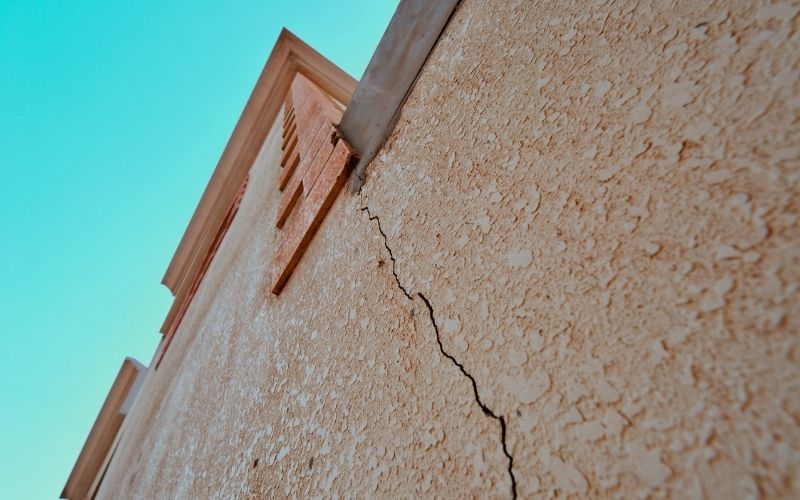
Why Do Wall Cracks Appear?
Walls don’t crack without a reason. In most cases, cracks develop because of movement, stress, or changes in the materials that make up the building.
Common causes include:
- Natural settling of a new building
- Expansion and contraction due to temperature changes
- Moisture intrusion and dampness
- Poor workmanship during construction
- Foundation movement
- Structural stress over time
Not every crack is a cause for concern. In fact, many homeowners will encounter minor cracks at some point, especially in newer properties.
The key is understanding what type of crack you’re dealing with.
Understanding the Different Types of Wall Cracks
Wall cracks generally fall into two categories: cosmetic cracks and structural cracks.
Cosmetic cracks affect the surface finish of the wall and usually don’t impact the integrity of the building. Structural cracks, on the other hand, may indicate movement within the structure itself.
Some of the most common types include:
Hairline Cracks
Thin, shallow cracks that often appear in plaster, skim coat, or paint layers.
Vertical Cracks
Often caused by normal settling and are usually less concerning than other patterns.
Horizontal Cracks
These may indicate pressure on the wall and should be monitored more closely.
Diagonal Cracks
Frequently found near windows and doors. Depending on their size and growth, they may indicate structural movement.
The pattern, width, and location of the crack often provide valuable clues about what’s happening behind the surface.
Hairline Cracks: Usually Minor, But Don't Ignore Them
Hairline cracks are among the most common issues homeowners encounter.
They often appear because construction materials naturally shrink as they dry or because buildings settle slightly during the first few years after completion. While these cracks are typically cosmetic, ignoring them isn’t always the best approach.
Over time, moisture can enter through even small openings. This may lead to peeling paint, staining, or more extensive surface damage if left untreated. A crack that remains small and unchanged is generally less concerning than one that continues to grow.
Lower-quality paint often requires additional coats to achieve the same finish that a higher-quality product can deliver in fewer applications.
That means:
- More paint consumption
- More labour hours
- Longer project timelines
For DIY homeowners, this means extra work.
For professional painting projects, it can also mean higher labour costs, which are often more expensive than the paint itself.
A paint that costs less per can isn’t necessarily cheaper if you end up using significantly more of it.
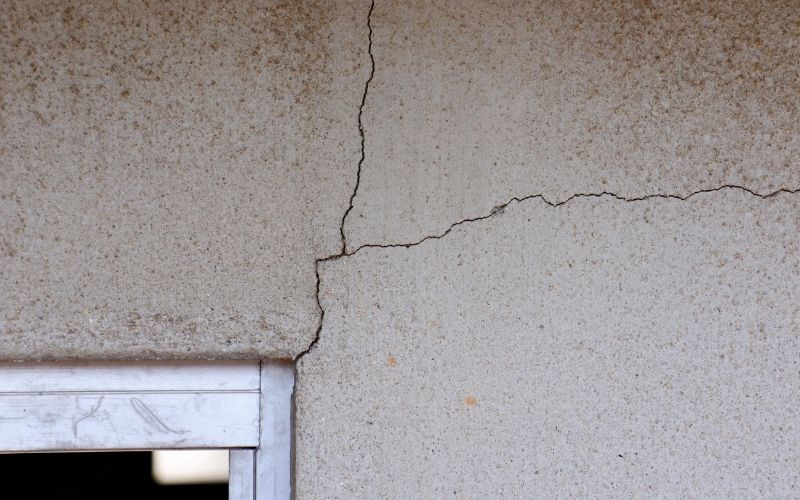
When Wall Cracks Could Signal a Bigger Problem
Although many cracks are harmless, there are situations where professional assessment is recommended.
Watch out for cracks that:
- Continue to widen over time
- Are wider than a few millimetres
- Appear suddenly in multiple locations
- Run diagonally from doors or windows
- Are accompanied by sticking doors or windows
- Cause uneven floors or gaps around frames
These symptoms may suggest movement within the building structure and should not be ignored.
When in doubt, it’s always better to investigate early than wait until repairs become more costly.
How Malaysia's Climate Can Affect Your Walls
Malaysia’s weather creates unique challenges for homeowners.
High humidity, frequent rainfall, and intense heat can all affect building materials over time. As walls absorb and release moisture, they naturally expand and contract. Repeated cycles of movement can contribute to cracking.
Moisture-related issues can also weaken paint systems and surface coatings, making existing cracks more noticeable.
Homes exposed to prolonged sunlight may experience additional stress as exterior surfaces heat up during the day and cool down at night.
This is one reason why proper wall preparation, quality coatings, and regular maintenance play such an important role in protecting your home.
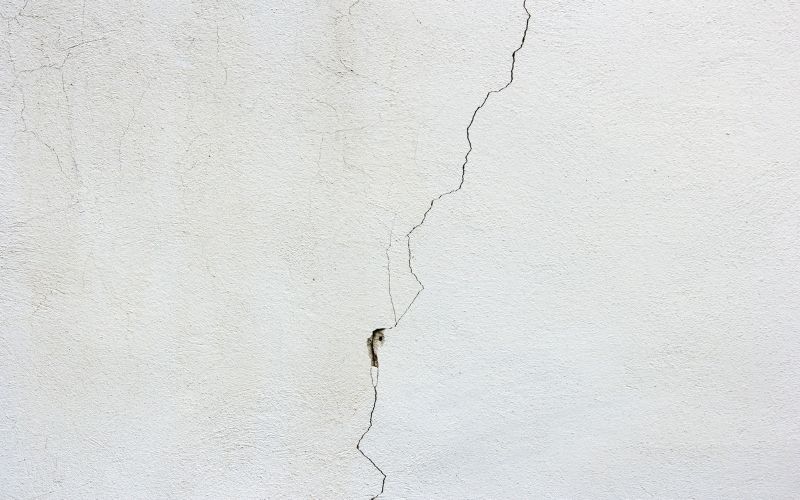
Should You Paint Over Wall Cracks?
A common mistake is assuming paint alone will solve the problem.
While a fresh coat of paint may temporarily hide a crack, it doesn’t address the underlying cause. In many cases, the crack simply reappears after a few months.
Before repainting, the affected area should be:
- Properly cleaned
- Repaired with suitable fillers or sealers
- Sanded smooth
- Primed if necessary
Only then should paint be applied.
Using quality exterior or interior coatings can help improve durability, but proper repair work always comes first.
Final Thoughts: Knowing When to Take Action
Finding cracks on your walls doesn’t automatically mean there’s a serious problem. In many cases, they’re simply a natural part of how buildings settle and respond to their environment.
However, wall cracks shouldn’t be dismissed without a closer look.
By understanding the difference between cosmetic and potentially structural cracks, homeowners can make informed decisions and address issues before they escalate.
Sometimes a crack is just a crack. Other times, it’s your home’s way of telling you that something needs attention. The key is knowing which is which.

Aida - SMP Colour & Paint Specialist
Sharing practical house painting tips, smart techniques, and real-world industry insights.
Table of Contents
- Cracks on Your Walls? Here's What They Could Be Telling You About Your Home
- Why Do Wall Cracks Appear?
- Understanding the Different Types of Wall Cracks
- Hairline Cracks: Usually Minor, But Don't Ignore Them
- When Wall Cracks Could Signal a Bigger Problem
- How Malaysia's Climate Can Affect Your Walls
- Should You Paint Over Wall Cracks?
- Final Thoughts: Knowing When to Take Action


