
Eco-Conscious Living: Understanding Low-VOC and Green Paint Certifications
Share This Blog
When we think about sustainable living, our minds usually drift toward reducing plastic waste, installing energy-efficient appliances, or switching to solar power. However, one of the most critical elements of environmental sustainability and family wellness is completely invisible: the quality of the air inside our homes.
Many families across Malaysia and Singapore invest heavily in air purifiers and organic bedding, yet they remain completely unaware that their brightly colored walls might be quietly leaking invisible chemicals into their living spaces.
If you have ever noticed that sharp, intense chemical smell after applying a fresh coat of paint, you have experienced Volatile Organic Compounds (VOCs) first-hand. In an era where we spend a massive portion of our lives indoors, choosing green-certified coatings is no longer just a luxury trend—it is a vital pillar of health-conscious interior design.
This comprehensive guide breaks down the science behind toxic indoor emissions, explains how eco-labels protect your respiratory wellness, and showcases Seamaster Paint’s premium green-certified solutions.
What exactly are VOCs? Understanding the Invisible Threat

To build a truly eco-conscious home, we must first understand the hidden science on our walls. Volatile Organic Compounds, universally known as VOCs, are carbon-based chemical solvents used in traditional paint manufacturing to keep the fluid blend stable, smooth, and easy to spread with a roller or brush.
The issue with VOCs lies in their incredibly low boiling point. Unlike water, these chemical solvents naturally evaporate into the air at normal room temperature—a process known as off-gassing.
The Toxic Off-Gassing Timeline

While off-gassing is heaviest when the paint is wet and drying, the chemical release does not stop when the wall feels dry to the touch. Traditional solvent-based paints can continue to release low levels of invisible toxic particles into your household air for months, or even years, after application.
When trapped inside tightly sealed, air-conditioned urban apartments or concrete terrace houses with poor cross-ventilation, these chemicals accumulate. Short-term exposure often triggers unexplainable headaches, dizziness, watery eyes, and throat irritation. For vulnerable family members—such as young children, elderly grandparents, or individuals suffering from asthma—long-term exposure can worsen chronic respiratory conditions and compromise overall immunity.
Why Green Paint Certifications Matter
With hundreds of home improvement products lining hardware shelves, almost every brand claims to be “eco-friendly” or “natural.” To cut through this greenwashing, conscious consumers must rely on verified, strict, third-party scientific benchmarks.
Green paint certifications assure you that a prominent scientific laboratory has independently audited, tested, and verified a chemical formula to ensure it passes rigorous safety thresholds.
When shopping for paint canisters in Southeast Asia, there are two elite gold standards you should look for:
1. The Singapore Green Label (SEC)
Administered by the Singapore Environment Council, this internationally recognized certification ensures that a product has met stringent environmental standards. For interior wall coatings, it guarantees that the paint has ultra-low VOC emissions, is completely free from carcinogenic formaldehydes, and contains zero heavy metal toxins like lead, mercury, or cadmium.
2. The SIRIM Eco-Label (Malaysia)
Malaysia’s leading certification body tests products to ensure a minimized environmental footprint throughout their life cycle. A SIRIM Eco-Label on an interior paint canister proves that the formulation is highly biodegradable, safe for domestic application, and engineered to safeguard local indoor environments without compromising on topcoat opacity or durability.
The Seamaster Eco-Shield: Certified Safe Products for Your Family
At Seamaster Paint, we believe that beautiful homes should be inherently safe spaces. We have dedicated our technical research to engineering high-performance, water-based acrylic formulas that carry accredited eco-certifications while offering rich color retention and effortless application.
Here are the certified green solutions you should look for during your next home update:
- Seamaster Silk Pro Interior Paint: If you are prioritizing air purity and luxury aesthetics, Silk Pro is your ultimate interior coating. This premium series is strictly certified Zero-VOC and Formaldehyde-Free. It emits absolutely zero chemical odors during and after rolling, allowing your family to sleep soundly in a freshly updated bedroom on the very same night. It cures into a gorgeous satin finish that reflects light elegantly while offering a protective barrier that resists moisture trapping.
- Seamaster Wall-Tex Emulsion Paint (7700G): A true champion of sustainable, budget-friendly design. Wall-Tex 7700G proudly carries both the Singapore Green Label and the SIRIM Eco-Label. Formulated as an acrylic co-polymer paint, it is completely free from harmful organic solvents and heavy metals. It provides exceptional high-hiding power across internal plastered walls and ceilings, drying to a smooth, uniform matte finish that natively resists aggressive alkaline and fungal growth.
- Seamaster AIDA Interior Paint Easy To Clean: Perfect for bustling households with young children or playful pets. This green-certified solution provides a state-of-the-art stain-block defense layer, allowing you to scrub away stubborn food splatters, pencil marks, or scuffs with a simple damp microfiber cloth. It matches strict eco-label emission laws, ensuring that high-traffic zones like kitchens and living rooms stay clean without polluting your indoor breathing zones.
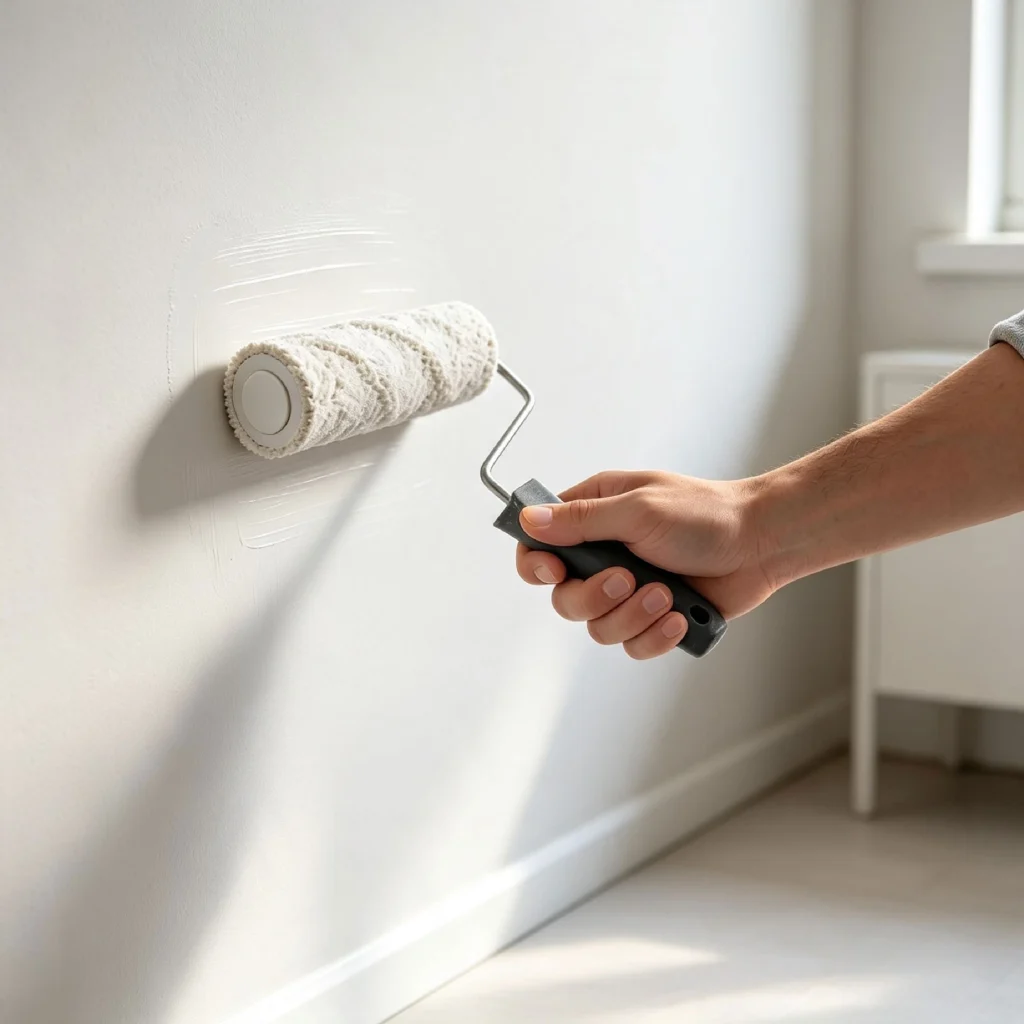
How to Switch to an Eco-Conscious Painting Routine
Choosing a certified low-VOC paint tin is the biggest step, but practicing a green DIY application routine maximizes your health benefits:
- Skip Solvent-Based Cleaners: When washing your brushes, rollers, and paint trays, choose water-based Seamaster formulas that clean up easily with plain tap water and mild dish soap. Avoid harsh chemical thinners or mineral spirits that release toxic fumes into your drainage systems.
- Plan for Natural Ventilation: Even when using zero-VOC paints, keep your windows and balcony doors wide open during the application process. Utilizing cross-ventilation helps naturalize the air humidity levels and accelerates the curing process of water-based acrylic films.
- Calculate Quantities Accurately: To minimize chemical waste and prevent leftover paint canisters from sitting in your storeroom, use our digital online paint calculator to buy exactly what your square footage requires.
Look for the Green Labels at Your Local Store!
Transforming your home into a sustainable, health-conscious sanctuary begins with making an informed choice at the point of purchase. By investing in green-certified interior coatings, you actively protect your family from toxic emissions, reduce chemical footprints, and support the preservation of our local ecosystem.
The next time you prepare for a weekend transformation project, don’t guess your safety metrics online. Head down to a physical retail outlet or a neighborhood paint distributor near you! Step inside and look for the official green labels and eco-certifications directly on the Seamaster interior paint canisters at physical retail outlets. Take a close look at our product labels, feel the quality, and speak with our authorized in-store specialists to select a certified safe palette that elevates your lifestyle responsibly!

Aida - SMP Colour & Paint Specialist
Sharing practical house painting tips, smart techniques, and real-world industry insights.
Table of Contents
- Understanding Low-VOC and Green Paint Certifications
- What exactly are VOCs? Understanding the Invisible Threat
- The Toxic Off-Gassing Timeline
- Why Green Paint Certifications Matter
- The Seamaster Eco-Shield: Certified Safe Products for Your Family
- How to Switch to an Eco-Conscious Painting Routine
- Look for the Green Labels at Your Local Store!


