
Preparing for Intermittent Monsoons: Protecting Exterior Walls with Weathersheen Plus 8900G
Share This Blog
Preparing for Intermittent Monsoons: Protecting Exterior Walls with Weathersheen Plus 8900G
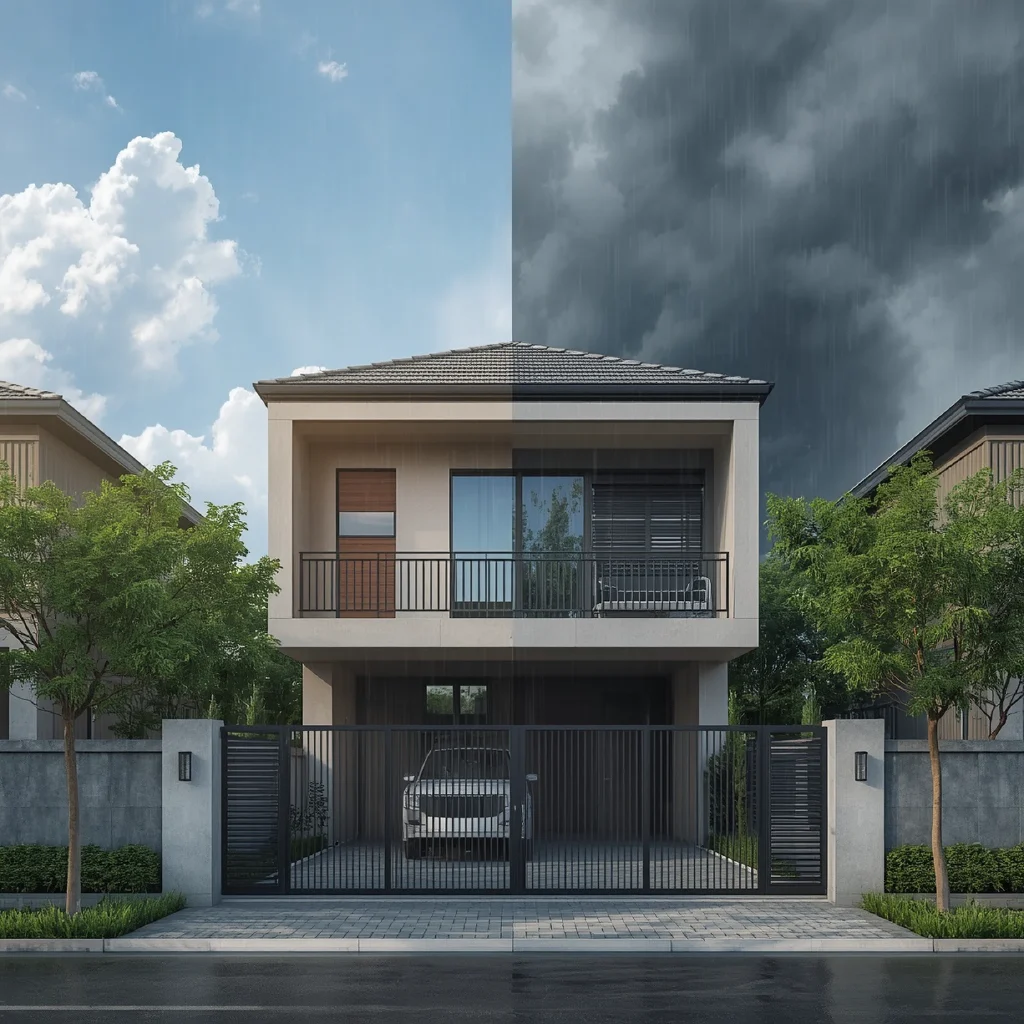
Living in Malaysia means experiencing the beautiful, vibrant tropical climate all year round. However, it also means dealing with extreme weather shifts. The transition periods leading up to the intermittent monsoon seasons bring a harsh combination of intense tropical heat and sudden, heavy downpours. While we seek shelter indoors during these torrential rains, our home exteriors bear the full brunt of nature’s elements.
Unpredictable weather patterns can rapidly accelerate the deterioration of exterior walls. If your property is unprotected, it can cause structural issues and lead to costly repairs. Homeowners must understand the early signs of paint degradation. Taking proactive steps to safeguard your property with high-performance coatings like Weathersheen Plus 8900G is essential for long-term protection.
The Reality of Tropical Weather and Exterior Walls
Exterior walls are the first line of defense for any property. In Malaysia, these surfaces experience a continuous cycle of thermal expansion and contraction. During the day, intense UV radiation bakes the concrete surface, raising its temperature significantly. Then, a sudden afternoon cloudburst hits, causing a rapid drop in temperature.
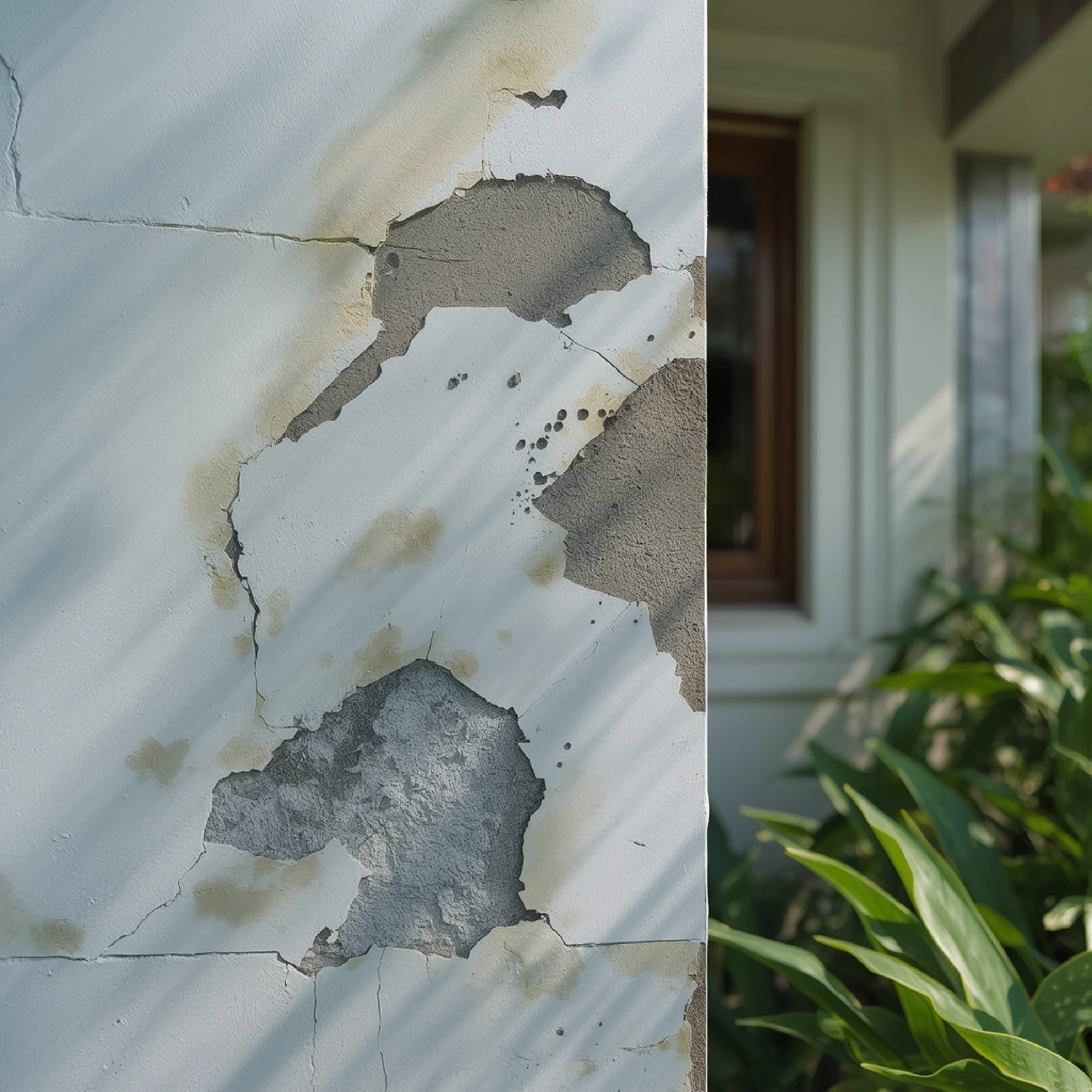
This thermal shock stresses the paint film. Over time, standard exterior paints lose their elasticity, become brittle, and begin to break down. When the paint film compromises, moisture penetrates the masonry. This creates an environment for structural and aesthetic issues to develop before the monsoon season peaks.
Early Signs of Paint Degradation
Many property owners wait until they see massive sheets of peeling paint before considering a repaint. However, microscopic structural failure happens much earlier. Homeowners should regularly inspect their exterior walls for these four early warning signs:
- Chalking
Walk up to your exterior wall and rub your hand firmly against the surface. If a fine, white, powdery residue transfers to your fingers, your paint is chalking. This occurs because continuous UV exposure has degraded the paint’s chemical binders, releasing the pigment particles. Chalking indicates that the protective film is eroding and will no longer repel water effectively.
- Hairline Cracks
Small, web-like hairline cracks often form in plaster and paint topcoats due to thermal shock. While they may look minor, these micro-fissures act as open pathways for rainwater. Once moisture seeps behind the paint layer, it becomes trapped, leading to bubbling and blistering.
- Fungal and Algal Growth
Have you noticed dark green or black streaks forming along your rooflines, drainage areas, or shaded walls? These are living colonies of algae and fungus. The combination of trapped moisture in concrete and warm tropical air creates a perfect breeding ground for these organisms. They ruin your home’s curb appeal and feed on moisture, slowly degrading the underlying concrete structure.
- Discolouration and Fading
Inconsistent patches of fading, particularly on walls facing direct sunlight, show that UV rays have broken down the paint’s color pigments. Fading indicates that the coating’s structural integrity is failing, leaving it vulnerable to upcoming rainy seasons.
The Solution: Seamaster Weathersheen Plus 8900G
Standard decorative paints cannot withstand these intense environmental demands. To protect your property, you need a high-performance, acrylic-based exterior coating specifically formulated for tropical environments. Seamaster Weathersheen Plus 8900G provides comprehensive, long-term protection against harsh weather conditions.
Advanced Resistance to Algae and Fungus
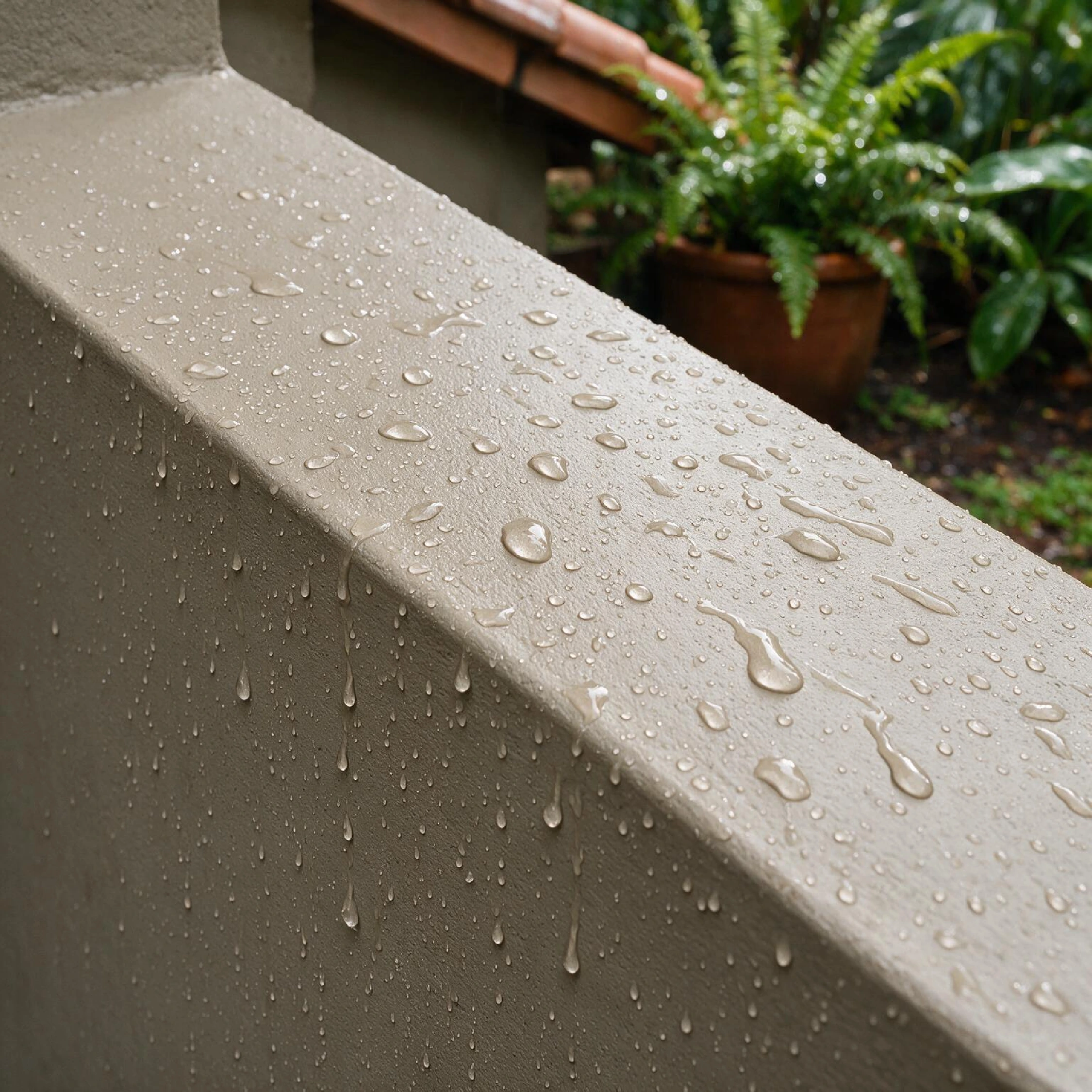
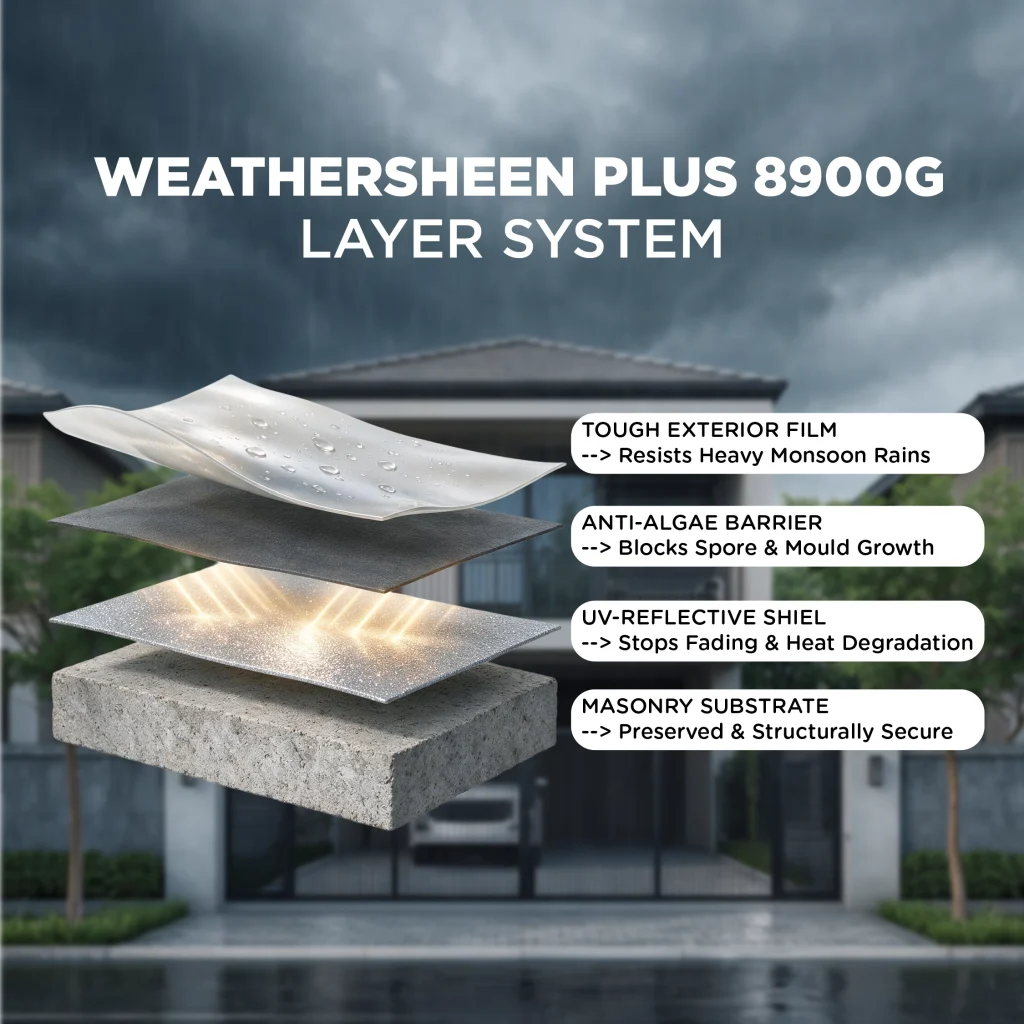
Weathersheen Plus 8900G features a specialized formulation that prevents environmental spores from taking root. Its water-resistant properties ensure that driving monsoon rains sheet off the surface quickly instead of soaking into the concrete. By keeping walls dry and clean, it eliminates the damp conditions required for unsightly organic growth.
Ultimate UV Shielding and Elasticity
Engineered with premium acrylic polymers, Weathersheen Plus 8900G forms a tough, flexible barrier over your home’s masonry. This protective film reflects harmful UV radiation, minimizing heat retention and preventing color fading. Its excellent elasticity allows the paint film to expand and contract smoothly during sudden temperature changes, preventing hairline cracks
Outstanding Washability and Dirt Resistance
Monsoon winds often carry dirt, dust, and environmental pollution that stick to damp exterior surfaces. Weathersheen Plus 8900G is designed with advanced dirt-pickup resistance. Its smooth, low-sheen finish prevents contaminants from embedding into the paint layer. This allows natural rainfall to wash away dust, keeping your home looking freshly painted with minimal maintenance.
Proactive Exterior Painting Checklist
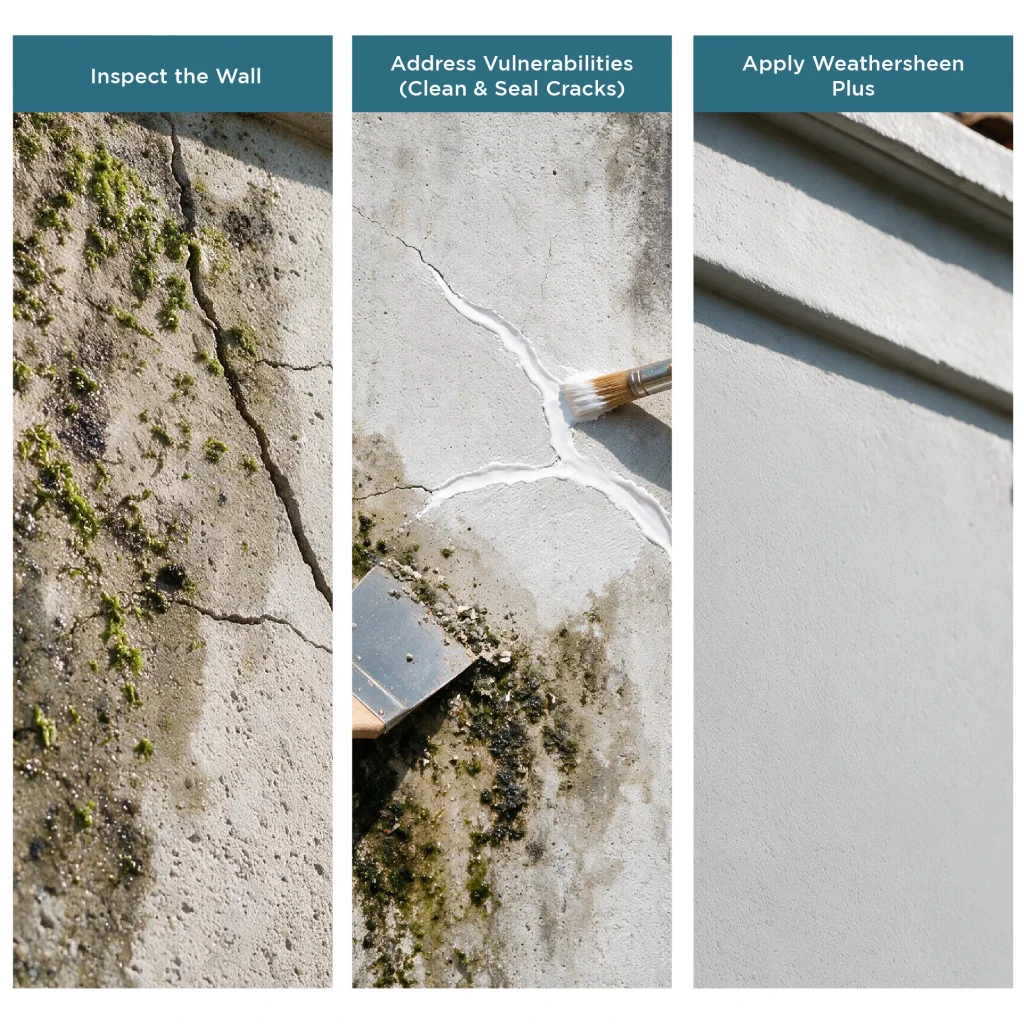
To maximize the performance of Weathersheen Plus 8900G, follow these essential preparation steps before the heavy rains begin:
- Inspect & Document: Walk around your property during a clear morning to locate and photograph areas showing cracks, chalking, or fungal growth.
- Surface Cleansing: Thoroughly power-wash the walls to remove existing dirt, loose paint particles, and powdery chalk residue.
- Fungal Elimination: Treat areas affected by algae with a specialized anti-fungal wash to kill deep-seated spores before applying paint.
- Crack Rectification: Fill deep architectural cracks with a high-quality exterior masonry sealant to create a smooth, waterproof surface.
- Sealer Application: Apply a high-performance exterior wall sealer to neutralize concrete alkalinity and ensure maximum topcoat adhesion.
- Topcoat Protection: Finish with two coats of Weathersheen Plus 8900G, allowing a minimum of 2 to 3 hours of drying time between layers.
Act Before the Rains Arrive
The best time to protect your exterior walls is before the first storm hits. Waiting until the monsoon season begins makes exterior painting and surface preparation difficult, as moisture can trap itself inside the walls. Taking a proactive approach now helps preserve your property’s value and ensures your home remains beautiful and well-protected.
Don’t wait for minor hairline cracks to become costly moisture issues. Take a moment this weekend to walk around your home and evaluate the condition of your exterior walls.
Final Thoughts
Damp walls don’t always mean your roof is leaking, and they don’t always appear after heavy rain.
In many Malaysian homes, high humidity, condensation, poor ventilation, hidden plumbing leaks, or ageing exterior walls are often the real causes.
The sooner you identify the source, the easier it is to prevent more serious problems like mould, peeling paint, and costly repairs.
If your walls continue to feel damp even during dry weather, don’t ignore the warning signs. A little investigation today can save you significant time, money, and frustration in the future—and help keep your home healthier and more comfortable for everyone living in it.

Aida - SMP Colour & Paint Specialist
Sharing practical house painting tips, smart techniques, and real-world industry insights.
Table of Contents
- Preparing for Intermittent Monsoons: Protecting Exterior Walls with Weathersheen Plus 8900G
- The Reality of Tropical Weather and Exterior Walls
- Early Signs of Paint Degradation
- The Solution: Seamaster Weathersheen Plus 8900G
- Advanced Resistance to Algae and Fungus
- Ultimate UV Shielding and Elasticity
- Outstanding Washability and Dirt Resistance
- Proactive Exterior Painting Checklist
- Act Before the Rains Arrive
- Consult a Seamaster Paint Specialist


