
Painting During Malaysia's Rainy Season? Avoid These Costly Mistakes
Share This Blog

Planning to Paint During Malaysia's Rainy Season? Avoid These Costly Mistakes
If you’ve ever planned a painting project in Malaysia, you’ve probably asked yourself the same question: Can I still paint during the rainy season?
It’s a fair concern. With frequent downpours, high humidity, and unpredictable weather patterns, many homeowners assume that painting should be postponed until the skies clear.
The truth is, painting during rainy season isn’t necessarily a bad idea. In fact, professional painters carry out projects throughout the year. The key difference is knowing how to work around the weather and avoid mistakes that can affect the quality and lifespan of the paint.
Whether you’re repainting your home’s exterior or refreshing an interior space, understanding the impact of moisture and humidity can save you time, money, and frustration later on.

Can You Paint During Malaysia's Rainy Season?
The short answer is yes.
Painting can still be done during the rainy season, provided the conditions are suitable and proper precautions are taken.
What many people don’t realise is that rain itself isn’t always the biggest problem. The real challenge is the combination of moisture and humidity in the air.
Paint needs the right conditions to dry and cure properly. When humidity levels are too high, the drying process slows down significantly, increasing the risk of application issues and premature paint failure.
This is why successful painting projects during the rainy season depend more on planning and preparation than simply avoiding rain altogether.
Why Humidity Matters More Than Rain
When people think about painting in wet weather, they usually focus on whether it’s raining.
However, humidity often has a greater impact on paint performance.
Humidity refers to the amount of moisture present in the air. During Malaysia’s rainy season, humidity levels can remain high even on days without rainfall.
When this happens:
- Paint takes longer to dry
- Moisture can become trapped beneath the paint film
- Adhesion may be affected
- Surface imperfections become more likely
For exterior projects, walls may also retain moisture from previous rainfall, even if they appear dry on the surface.
This is why experienced painters pay close attention to humidity levels, not just weather forecasts.
Costly Mistake #1: Painting on a Damp Surface
One of the most common mistakes homeowners make is painting before the wall has fully dried.
After rainfall, exterior walls can hold moisture longer than expected. Painting over a damp surface may lead to problems such as:
- Peeling paint
- Blistering
- Bubbling
- Poor adhesion
The same applies indoors. Areas affected by leaks, condensation, or poor ventilation should be allowed to dry completely before painting begins.
A wall may look dry to the touch but still contain moisture beneath the surface.
Taking the time to ensure proper dryness can prevent expensive repairs later.

Costly Mistake #2: Ignoring the Weather Forecast
Malaysia’s weather can change quickly, especially during monsoon periods.
Starting an exterior painting project without checking the forecast is a risk that many homeowners underestimate.
Freshly applied paint can be damaged if unexpected rain arrives before it has had sufficient time to dry.
Before painting:
- Check the weather forecast for several days ahead
- Allow adequate drying windows between coats
- Avoid painting if heavy rain is expected within the next 24 hours
A little patience can make a significant difference in the final result.
Costly Mistake #3: Rushing Drying and Curing Time
Drying and curing are often mistaken as the same thing, but they are actually different stages.
Drying occurs when the surface no longer feels wet. Curing is the process where the paint reaches its full strength and durability.
During humid weather, both processes take longer.
Rushing the job by applying additional coats too soon can result in:
- Uneven finishes
- Reduced durability
- Trapped moisture
- Surface defects
Always follow the manufacturer’s recommended drying times and remember that humid conditions may require additional waiting time.
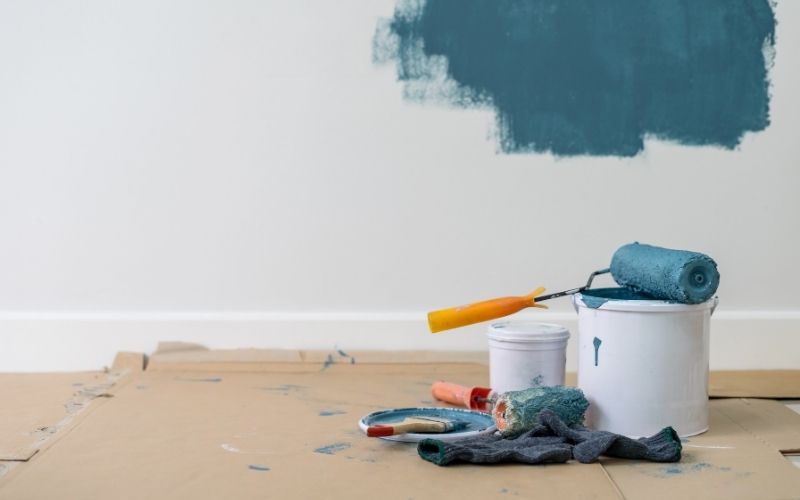
Costly Mistake #4: Using the Wrong Type of Paint
Not all paints perform equally well in Malaysia’s climate.
Choosing a paint solely based on colour or price can lead to disappointing results if it isn’t suitable for local weather conditions.
For exterior applications, look for products that offer:
- Good weather resistance
- Strong adhesion
- UV protection
- Moisture resistance
For interior spaces, especially kitchens, bathrooms, and laundry areas, paints with anti-mould and moisture-resistant properties can provide additional protection.
Using the right product from the start helps reduce maintenance and improves long-term performance.
Final Thoughts: Timing and Preparation Make All the Difference
Painting during Malaysia’s rainy season is entirely possible, but success depends on more than simply finding a day without rain.
Humidity, surface moisture, drying times, and product selection all play an important role in determining the final outcome.
By avoiding common mistakes and planning your project carefully, you can achieve a durable, attractive finish that stands up to Malaysia’s challenging weather conditions.
At the end of the day, a successful paint job isn’t just about choosing the right colour. It’s about giving the paint the best possible conditions to perform the way it was designed to.
And sometimes, that means waiting an extra day or two before picking up the paint roller.

Aida - SMP Colour & Paint Specialist
Sharing practical house painting tips, smart techniques, and real-world industry insights.
Table of Contents
- Planning to Paint During Malaysia's Rainy Season? Avoid These Costly Mistakes
- Can You Paint During Malaysia's Rainy Season?
- Why Humidity Matters More Than Rain
- Costly Mistake #1: Painting on a Damp Surface
- Costly Mistake #2: Ignoring the Weather Forecast
- Costly Mistake #3: Rushing Drying and Curing Time
- Costly Mistake #4: Using the Wrong Type of Paint
- Final Thoughts: Timing and Preparation Make All the Difference


