

Here’s a hard truth most people learn the expensive way: paint doesn’t fail—preparation does.
You can invest in premium paint, pick the perfect colour, and still end up with streaks, peeling edges, and uneven finishes if the walls underneath aren’t ready. Great paint jobs aren’t about talent or luck. They’re built long before the first brush touches the wall.
If you want professional-looking results, preparation isn’t optional, it’s the foundation. Let’s walk through how to prep walls properly, without overcomplicating things or cutting corners that will show later.
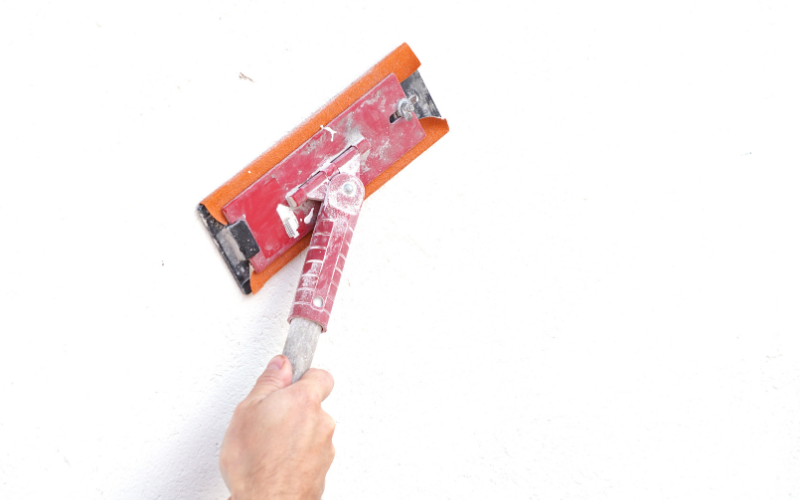
Start with a Wall That’s Actually Clean
Walls collect more than dust. They trap grease, moisture residue, fingerprints, and invisible grime especially in kitchens, bedrooms, and high-traffic areas.
Painting over dirt doesn’t hide it. It seals it in and makes it more obvious.
Wipe walls down with a damp cloth or mild detergent solution. Pay attention to corners, switch areas, and spots near doors or windows. Let everything dry completely before moving on. Paint and moisture don’t mix well, and impatience here will come back to haunt you.
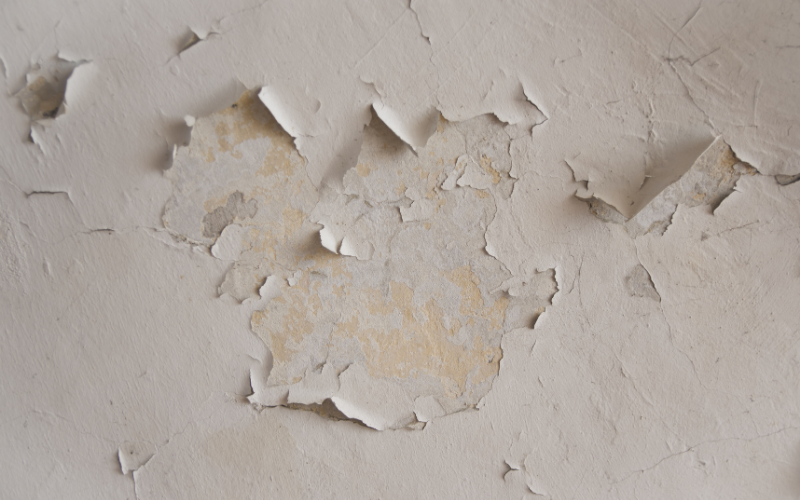
Fix What Paint Can’t Hide
Paint is not a repair tool. It won’t cover cracks, dents, nail holes, or flaking patches. In fact, fresh paint makes these flaws stand out even more.
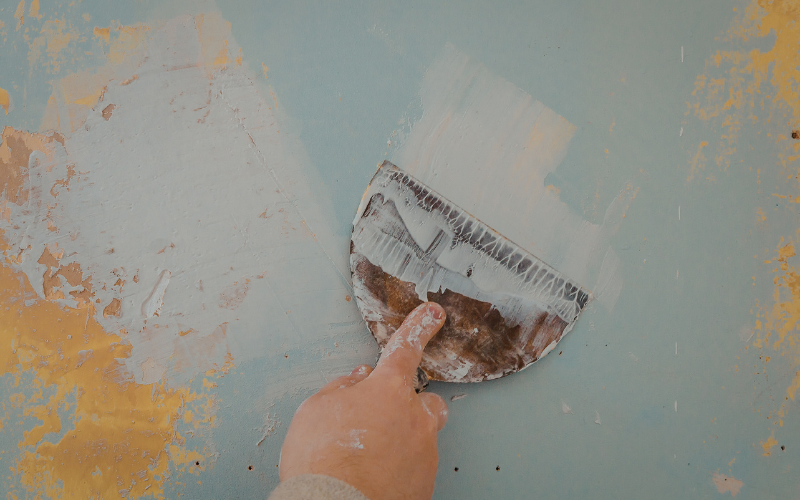
Fill holes and cracks with suitable filler, smooth them out, and sand once dry. If old paint is peeling or bubbling, scrape it off properly. A smooth surface allows better adhesion and gives you that clean, even finish everyone associates with professional work.
This step takes time, yes—but skipping it costs more time later.
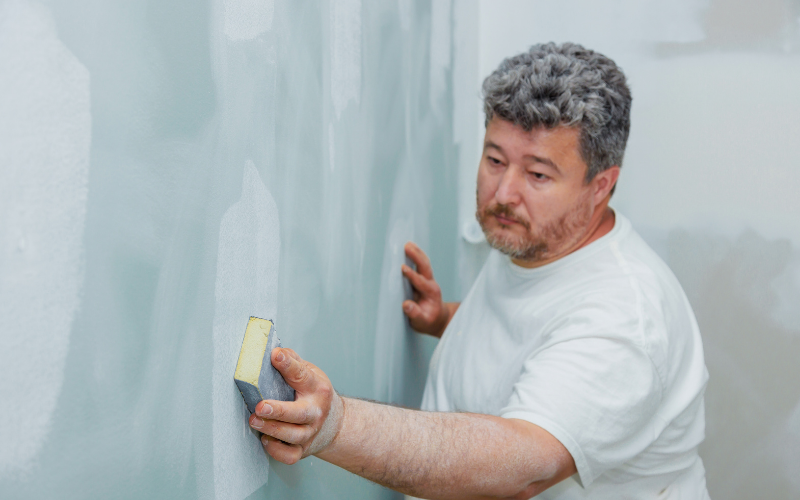
Sanding: The Step Everyone Hates (and Needs)
Sanding isn’t about stripping walls bare. It’s about creating an even surface so paint grips properly.
Light sanding removes shine from old paint, smooths out filler, and helps new paint adhere evenly. Focus on patched areas and glossy sections. Once done, wipe away dust thoroughly. Dust left behind can ruin an otherwise perfect coat.
This is one of those invisible steps no one sees, but everyone sees the results.
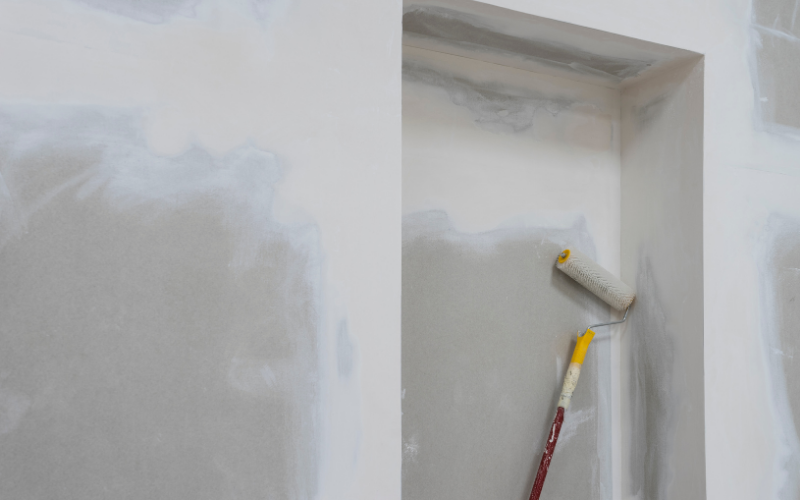
Prime Like You Mean It
Primer isn’t just for dramatic colour changes. It seals patches, evens out surface porosity, and helps paint perform the way it’s designed to.
If your wall has repairs, stains, or uneven textures, primer is non-negotiable. It ensures your topcoat looks consistent instead of patchy or dull in certain spots.
Skipping primer often means using more paint later and still not getting the finish you want.
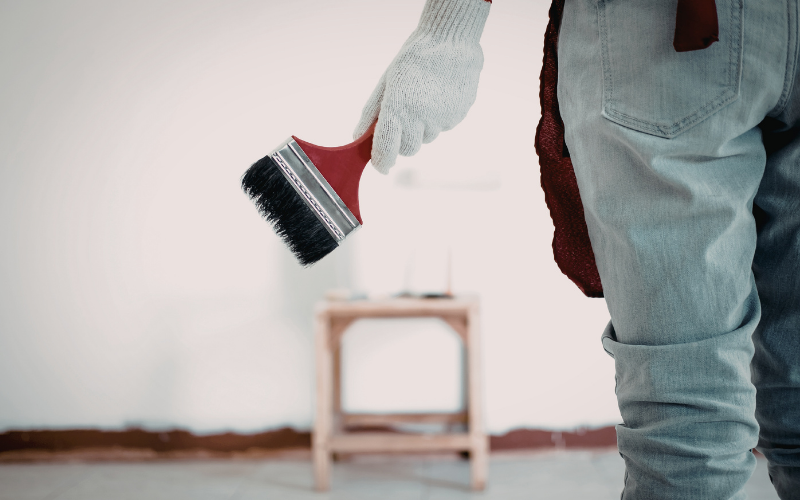
Slow Down for Professional-Looking Results
Rushed prep leads to rushed painting. And rushed painting never looks good.
Professional-looking results come from patience, consistency, and respect for the process. Every step from cleaning, repairing, sanding, masking, to priming works together. Skip one, and the whole job suffers.
This is exactly why trusted brands like Seamaster Paint Malaysia emphasise not just quality paint, but proper surface preparation. Paint performs best when the wall beneath it is ready to support it.
Properly Prepare Walls Is Where Great Paint Jobs Begin
If there’s one takeaway, it’s this: the best paint job is decided before the paint can is opened.
Preparation doesn’t get compliments, but the results do. Clean edges, smooth finishes, lasting colour. These are all earned long before the final coat dries.
So before you paint, pause. Prepare properly. Your walls and your future self will thank you.

SMP Colour & Paint Specialist
Sharing practical house painting tips, smart techniques, and real-world industry insights.