
Just Got Your House Keys? 7 Things to Check Before Painting
Share This Blog

Just Got Your House Keys? 7 Things to Check Before You Start Painting
Collecting the keys to your new home is an exciting milestone. Whether you’ve bought a brand-new property from a developer or a subsale home, it’s tempting to jump straight into choosing paint colours and planning your interior.
But before you open that first paint can, take a closer look at your walls.
Many homeowners assume that a new house is ready for painting right away. In reality, even newly completed homes can have minor imperfections that affect how well paint adheres and how long it lasts. Spending a little extra time inspecting your walls now can help you avoid peeling paint, uneven finishes, and unnecessary touch-ups later.
If you’ve just received your house keys before painting, here are seven important things to check first.
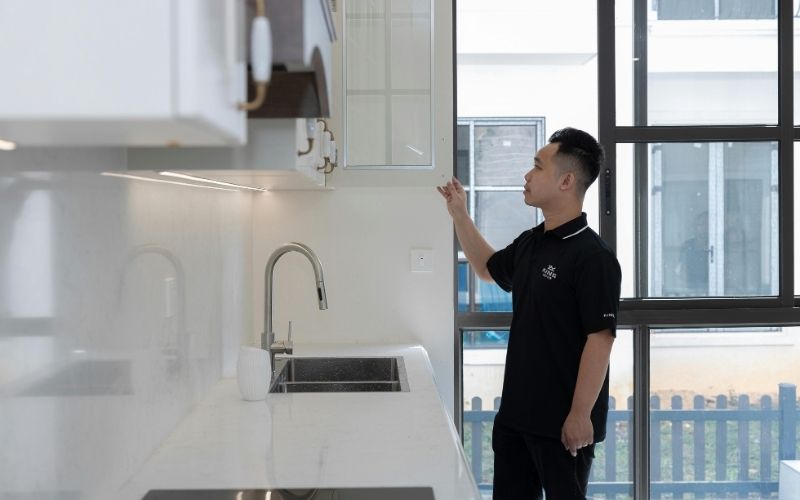
Why You Shouldn't Rush Into Painting
The short answer is yes.
Painting is often one of the first things homeowners do before moving in. It’s easier to paint an empty house, and a fresh coat of colour instantly makes the space feel more personal.
However, paint can only perform as well as the surface beneath it. If the walls aren’t properly prepared, even the highest-quality paint may struggle to deliver a smooth, durable finish.
Think of it this way: painting without inspecting your walls is like laying beautiful tiles on an uneven floor. The result might look good at first, but problems will eventually start to show.
What many people don’t realise is that rain itself isn’t always the biggest problem. The real challenge is the combination of moisture and humidity in the air.
Paint needs the right conditions to dry and cure properly. When humidity levels are too high, the drying process slows down significantly, increasing the risk of application issues and premature paint failure.
This is why successful painting projects during the rainy season depend more on planning and preparation than simply avoiding rain altogether.
1. Look for Hairline Cracks
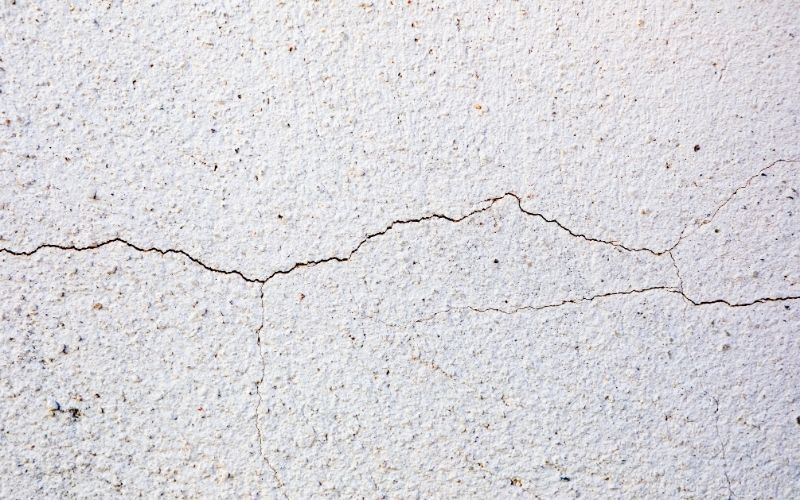
One of the most common things you’ll notice in a newly completed home is small hairline cracks.
These are usually caused by the natural settling of the building or the drying of plaster and skim coat. In most cases, they’re cosmetic rather than structural.
Walk through every room and pay close attention to:
- Corners of walls
- Areas above doors and windows
- Ceiling joints
- Staircase walls
If you spot minor cracks, it’s best to repair them before painting. Covering them with paint alone may only hide the problem temporarily.
2. Check for Damp Spots and Water Damage
Even brand-new homes can have moisture-related issues.
Look for:
- Dark patches
- Bubbling paint
- Water stains
- Peeling plaster
- Musty smells
Bathrooms, kitchens, laundry areas, and walls near windows deserve extra attention.
Painting over damp surfaces traps moisture underneath, increasing the risk of blistering, peeling, and mould growth. If you discover any signs of dampness, identify and fix the source before moving forward.
3. Inspect the Wall Surface
Not all walls are perfectly smooth.
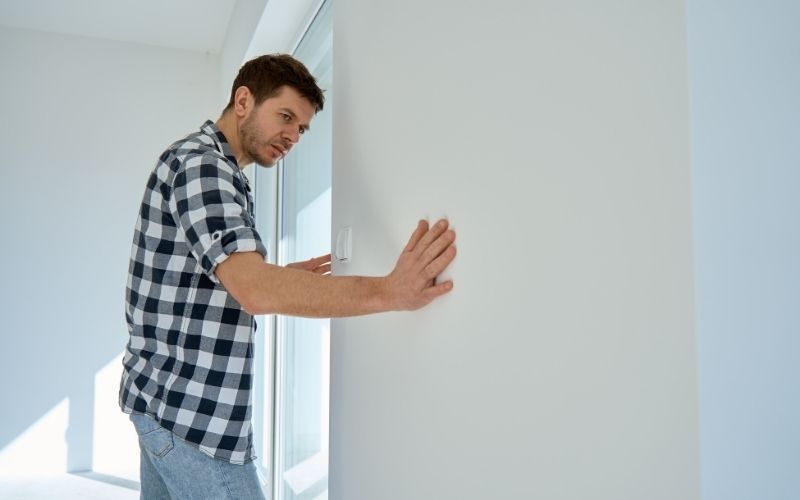
Run your hand across the surface and look for:
- Rough patches
- Uneven skim coat
- Small holes
- Sanding marks
- Loose plaster
These imperfections become much more noticeable after painting, especially when natural light shines across the wall.
A little sanding and surface repair before painting can make a significant difference to the final result.
4. Remove Dust, Dirt and Construction Residue
New homes often look clean, but construction dust has a way of settling everywhere.
Walls may be covered with:
- Fine cement dust
- Sand particles
- Plaster residue
- Dirt from ongoing renovation work
Painting over dusty walls can reduce paint adhesion and lead to uneven coverage.
Before applying primer or paint, wipe down the walls with a clean, slightly damp cloth or use a soft brush to remove loose dust. It’s a simple step that helps create a stronger bond between the paint and the surface.
5. Check if Primer Is Needed
Some homeowners skip primer to save time or money, but this can be a costly mistake.
Primer helps:
- Seal porous surfaces
- Improve paint adhesion
- Create a more even finish
- Reduce paint absorption
- Enhance colour consistency
New plaster, repaired walls, or surfaces with noticeable patches usually benefit from a coat of primer before painting.
Choosing the right primer also helps your topcoat perform better and last longer.
6. Test Your Paint Colours Before Committing
Paint colours rarely look the same at home as they do in a showroom or on a colour chart.
Natural daylight, warm lighting, flooring, and furniture can all change how a colour appears.
Before painting an entire room:
- Apply a sample to a small section of the wall
- Observe it in the morning, afternoon, and evening
- View it under both natural and artificial lighting
Taking this extra step can save you from repainting a room simply because the colour looked different than expected.
7. Choose Paint That's Suitable for Malaysian Homes
Malaysia’s hot, humid climate places unique demands on paint.
When choosing paint, look beyond the colour. Consider features such as:
- Good washability
- Moisture resistance
- Anti-mould protection
- Low odour or low VOC formulations
- UV resistance for exterior walls
The right paint can make maintenance easier and help your walls stay looking fresh for years.
Seamaster Paint offers a wide range of interior and exterior paint solutions designed to perform in Malaysia’s tropical climate, providing lasting colour, durability, and reliable protection for everyday living.
Final Thoughts
Getting the keys to your new home is exciting, but taking a little extra time to prepare before painting can make a big difference in the long run.
By checking for cracks, moisture, uneven surfaces, and dust, and by choosing the right primer and paint, you’ll create a stronger foundation for a finish that not only looks beautiful but also lasts.
Painting isn’t just about adding colour to your walls—it’s about protecting your investment and creating a home you’ll enjoy for years to come.
So before you pick up the roller, give your walls the attention they deserve. A few simple checks today can save you time, money, and unnecessary repairs tomorrow.

Aida - SMP Colour & Paint Specialist
Sharing practical house painting tips, smart techniques, and real-world industry insights.
Table of Contents
- Just Got Your House Keys? 7 Things to Check Before You Start Painting
- Why You Shouldn't Rush Into Painting
- 1. Look for Hairline Cracks
- 2. Check for Damp Spots and Water Damage
- 3. Inspect the Wall Surface
- 4. Remove Dust, Dirt and Construction Residue
- 5. Check if Primer Is Needed
- 6. Test Your Paint Colours Before Committing
- 7. Choose Paint That's Suitable for Malaysian Homes
- Final Thoughts


