
Why Does Paint Peel Faster in Some Parts of Your House? The Real Reason Behind It
Share This Blog
Why Does Paint Peel Faster in Some Parts of Your House? The Real Reason Behind It
You painted the whole house at roughly the same time.
So why does the paint in one room still look perfectly fine while another area is already peeling?
It can be especially confusing when the rest of the wall looks completely normal. Maybe it’s just a small patch near a window. Maybe the paint is lifting around the bathroom. Or perhaps the exterior wall has started flaking while the sheltered areas still look fresh.
Before blaming the paint, take a closer look.
Peeling paint is usually a sign that something has affected the bond between the paint and the surface underneath.
And there can be more than one reason why that happens.
1. The Surface Wasn't Properly Prepared
Paint needs a good surface to stick to.
If a wall is dusty, dirty, greasy, chalky or covered with loose old paint, the new coating may not bond properly.
This is one reason preparation matters so much, even when you’re eager to get straight to the fun part.
Cleaning the surface, removing loose material, repairing damaged areas and preparing glossy or unsuitable surfaces can all help create a better base for the new coating.
Think of it this way: you’re not really painting the dirt, dust or loose paint.
You’re painting the surface underneath it.
If that surface isn’t ready, the new coating doesn’t have much to hold onto.
2. Moisture Could Be Getting Behind the Paint
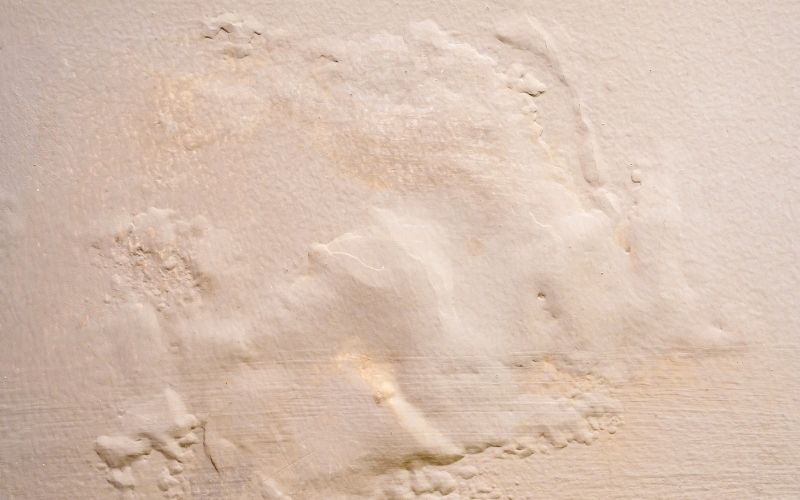
Moisture is another common reason for peeling paint on walls.
This doesn’t necessarily mean you’ve just had a major leak.
Moisture can come from plumbing problems, condensation, water infiltration, or areas that regularly experience high humidity.
Bathrooms, kitchens, laundry areas and exterior walls can be more exposed to moisture than other parts of the home.
When moisture gets into or behind a coating, it can interfere with adhesion. Over time, the paint may start bubbling, blistering, flaking or peeling.
That’s why painting over the affected area without addressing the moisture source can be a temporary fix at best.
You may get a nice-looking wall for a while, only to see the problem return.
3. The Paint Didn't Have the Right Conditions to Dry
Paint needs time and suitable conditions to dry and cure properly.
Temperature, humidity and ventilation can all affect the process.
This is particularly relevant in Malaysia, where high humidity can make drying conditions different from what you might expect from a cool, dry environment.
If a coating doesn’t dry or cure properly, its performance can be affected.
That doesn’t mean you can never paint on a humid day. It means you should pay attention to the manufacturer’s recommended application conditions and drying times.
Sometimes, patience really is part of the painting process.
Annoying, but true.
4. The New Paint Couldn't Grip the Old Surface
Sometimes the problem isn’t the new paint itself.
It’s what you’re painting over.
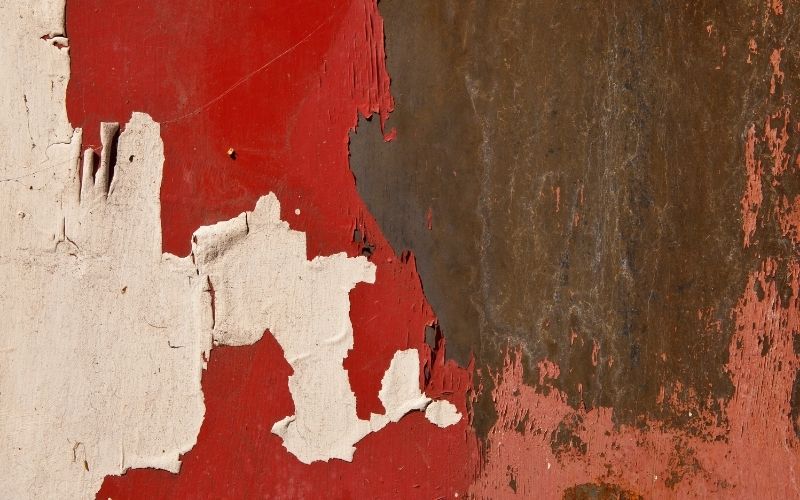
Very smooth or glossy surfaces can make it harder for a new coating to adhere properly. The same can happen when an old coating is incompatible with the new one or hasn’t been properly prepared.
This is particularly important when repainting older surfaces.
Before applying a new coating, check what is already there and whether additional preparation or a suitable primer is recommended.
A fresh colour doesn’t automatically create a fresh surface.
5. The Surface Is Moving More Than You Think
Some materials naturally expand and contract as temperature and humidity change.
Wood is a good example.
Outdoor surfaces can experience even greater changes because they are exposed to sunlight, rain and changing weather conditions.
If the underlying material moves while the coating doesn’t accommodate that movement, stress can develop within the paint film.
Over time, this can contribute to cracking, lifting or peeling.
This is one reason why choosing a coating based on where and what you’re painting matters.
An interior wall and an exterior gate may both be painted surfaces, but they’re definitely not living the same life.
6. Exterior Paint Has a Much Harder Job
Your exterior walls are basically working overtime.
They deal with sunlight, UV exposure, rain, humidity, temperature changes, dirt and everything else the weather decides to throw at them.
Naturally, exterior coatings need to be selected and applied with those conditions in mind.
If you notice peeling exterior paint, look at the location carefully.
Is the peeling concentrated around a particularly exposed wall?
Does it happen near areas where rainwater hits the surface?
Is there a gutter, roof edge or drainage point nearby?
Sometimes the pattern of the peeling can give you clues about what’s happening.
Why Does Paint Peel in Just One Spot?
This is probably the most frustrating part.
If the entire house was painted with the same paint, why isn’t everything peeling?
Because different parts of your home don’t experience the same conditions.
One wall may receive strong afternoon sun.
Another may be sheltered.
One area may be exposed to condensation.
Another may have a plumbing issue.
One surface may have been properly prepared.
Another may have had an existing coating underneath that affected adhesion.
Your house isn’t one giant identical surface. Every area has its own little environment.
How to Stop Paint From Peeling
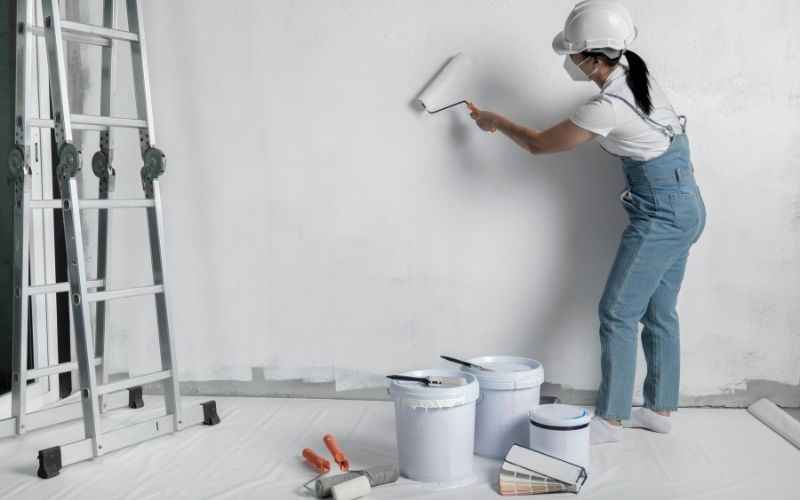
The good news is that many causes of peeling paint can be reduced with proper preparation and the right paint system.
Before painting:
Clean the surface. Remove dirt, grease, dust and other contaminants.
Remove loose paint. Don’t trap peeling or flaking material underneath a new coating.
Check for moisture. If there’s an underlying water problem, address it before repainting.
Prepare glossy or difficult surfaces. Follow the recommended preparation for the existing coating.
Use the right product. Choose paint suitable for the surface and whether it is intended for interior or exterior use.
Follow application instructions. Pay attention to recommended coats, drying times and application conditions.
And if you’re dealing with a serious or recurring problem, don’t just keep repainting the same spot. Find out why it keeps happening.
Don't Just Paint Over the Problem
When paint starts peeling, it’s tempting to grab a scraper, open a new tin and make the problem disappear.
But peeling paint is often the wall’s way of telling you that something isn’t quite right.
It could be poor adhesion. It could be moisture. It could be the existing surface. It could be environmental exposure. Or it could be a combination of several factors.
Seamaster offers paint solutions for different interior and exterior applications, but even the right paint needs the right conditions and preparation to perform well.
So the next time you spot peeling paint, don’t just ask:
“Which paint should I use?”
Ask:
“Why did the old paint let go in the first place?”
Find that answer first, and you’re much more likely to get a finish that stays looking good for longer.

Aida - SMP Colour & Paint Specialist
Sharing practical house painting tips, smart techniques, and real-world industry insights.
Table of Contents
- Why Does Paint Peel Faster in Some Parts of Your House? The Real Reason Behind It
- 1. The Surface Wasn't Properly Prepared
- 2. Moisture Could Be Getting Behind the Paint
- 3. The Paint Didn't Have the Right Conditions to Dry
- 4. The New Paint Couldn't Grip the Old Surface
- 5. The Surface Is Moving More Than You Think
- 6. Exterior Paint Has a Much Harder Job
- Why Does Paint Peel in Just One Spot?
- How to Stop Paint From Peeling
- Don't Just Paint Over the Problem


