
Can You Paint Over Tiles, Wood or Metal? What Changes When You Paint Different Surfaces?
Share This Blog
Can You Paint Over Tiles, Wood or Metal? What Changes When You Paint Different Surfaces?
Paint is paint, right?
Well, not quite.
If you’ve ever looked at an old cabinet, tired-looking metal gate or dated bathroom tiles and thought, “Surely I can just paint over that,” you’re not alone.
You can paint many different surfaces, but the process isn’t exactly the same as painting a wall.
Tiles are smooth and non-porous. Wood can absorb paint. Metal can rust. Some surfaces already have a coating that makes it difficult for new paint to stick.
So before you reach for that roller, here’s what you need to know about painting different surfaces around your home.
Why Does the Surface Matter?
Think of paint like a guest arriving at a party.
It needs something to hold onto.
A typical plastered or previously painted wall has a surface that allows paint to grip fairly well, especially when it has been properly cleaned and prepared.
Other materials are a different story.
Tiles can be extremely smooth and resistant to moisture. Wood can be porous and may have an existing varnish or coating. Metal can have rust, grease or a factory finish sitting on top.
That means the same paint and the same application method may not give you the same result.
This is why surface preparation is such a big part of getting a finish that looks good and stays that way.
Can You Paint Over Tiles?
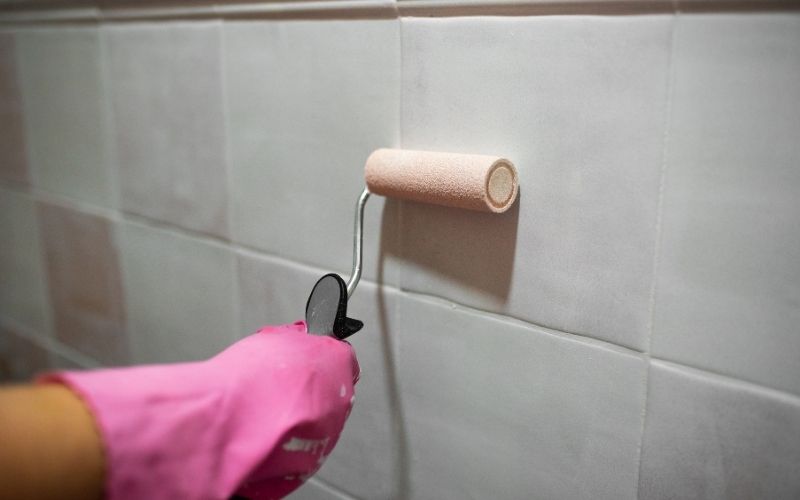
Yes, but don’t treat tiles like a normal wall.
Tiles are designed to be durable, smooth and easy to clean. Great for a bathroom or kitchen. Not exactly ideal when you’re asking paint to stick to them.
Before painting tiles, the surface needs to be thoroughly cleaned to remove dirt, grease, soap residue and anything else that could get between the tile and the new coating.
Glossy surfaces may also need to be properly prepared so the new coating has something to grip.
And don’t forget the grout.
If you’re refreshing tiled areas, decide whether you want to paint the tiles themselves, the grout, or both. The final result can look very different depending on what you are trying to achieve.
Most importantly, choose a coating that is suitable for the specific surface and location. A bathroom wall and a decorative tiled surface may have very different requirements.
What About Wood?
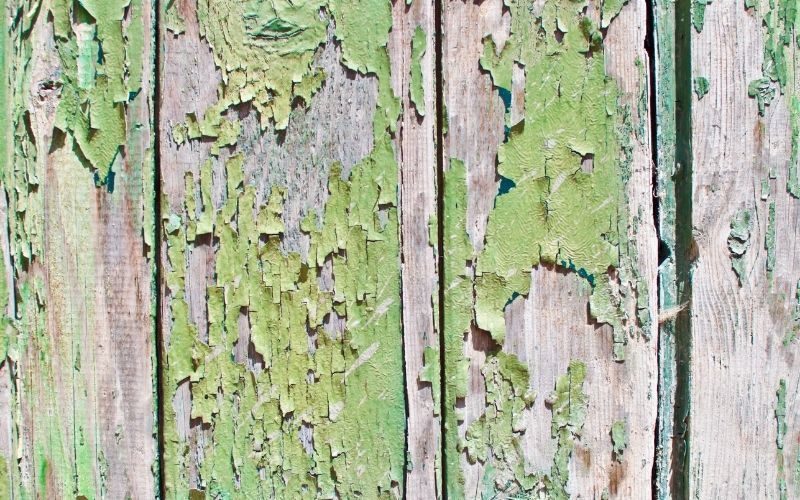
Wood is a little more forgiving, but it has its own personality.
Unlike tiles, wood can absorb coatings. It can also expand and contract with changes in temperature and humidity.
If you’re painting wooden doors, cabinets, furniture or trim, start by checking the existing surface.
Is it bare wood? Varnished? Previously painted? Oily or dirty?
Each situation may need different preparation.
Bare wood may need a suitable primer or undercoat before the finishing coats. Previously coated wood may need cleaning and surface preparation to help the new paint adhere properly.
And if you’re painting something that gets handled constantly, like a cabinet door or wooden handrail, durability matters too.
A beautiful finish doesn’t mean much if it starts showing scratches after a few weeks.
Can You Paint Metal?
Definitely, but metal comes with one major enemy: rust.
Before painting metal, check for rust, loose coatings, dirt, grease or corrosion. These problems should be dealt with before applying new paint.
Otherwise, you could end up with a fresh-looking surface that doesn’t stay fresh for very long.
Metal surfaces can also have very smooth finishes, so preparation and the right primer or coating system can make a big difference.
This applies to everything from metal gates and railings to furniture, frames and other decorative features around the home.
And if the metal is outdoors, don’t forget what it has to deal with.
In Malaysia, that means plenty of sun, humidity and heavy rain. Your paint system needs to suit the environment, not just look good on day one.
So, Can You Use the Same Paint Everywhere?
This is where things get interesting.
Just because a product works beautifully on one surface doesn’t automatically mean it’s the right choice for another.
When painting different surfaces, think about three things:
1. What is the surface made of?
Tile, wood, metal, concrete and previously painted surfaces all behave differently.
2. What condition is it in?
A clean, sound surface is very different from one covered in grease, rust, peeling paint or old varnish.
3. Where is it located?
An indoor cabinet doesn’t face the same conditions as an outdoor gate. A bathroom surface has different demands from a bedroom wall.
The right combination of preparation, primer where required and suitable finishing paint can make a huge difference to the final result.
Don't Skip the Boring Part
We get it. Cleaning, sanding and priming aren’t exactly the exciting part of a painting project.
You probably want to get straight to the fun bit: choosing the colour.
But good preparation is often what separates a finish that looks great for a while from one that actually lasts.
Before starting any project, check the paint manufacturer’s recommendations for the specific surface you’re working with. Products can have different requirements depending on the material and intended use.
Seamaster offers paint solutions for different applications, so choosing the right product starts with understanding what you’re actually painting.
Because sometimes the question isn’t, “What colour should I use?”
It’s “What exactly am I painting?”
And that’s a much better place to start.
One Surface, One Approach
Painting can be a surprisingly easy way to give old parts of your home a new lease on life.
A dated cabinet doesn’t necessarily need replacing. A tired metal feature may not need to go. Even certain tiled surfaces may have potential for a refresh.
But don’t assume every surface can be treated like a wall.
Tiles need help with adhesion. Wood needs attention to its condition and existing coating. Metal needs protection against problems like rust.
Get the surface right, choose a suitable paint system and give the preparation the attention it deserves.
The colour might be what everyone notices first.
The preparation is what helps it stay there.

Aida - SMP Colour & Paint Specialist
Sharing practical house painting tips, smart techniques, and real-world industry insights.


