
How to Match Wall Colours with Furniture and Home Décor
Share This Blog

How to Match Wall Colours with Furniture and Home Décor
Choosing a paint colour sounds simple until you realise how different it can look once your furniture, lighting, curtains, and décor come into the picture. A colour that looked perfect in the store may suddenly feel too dark, too warm, or completely out of place at home.
That’s why learning how to match wall colours with furniture is just as important as choosing the colour itself. A well-balanced space isn’t about following strict design rules — it’s about making sure everything in the room feels connected and comfortable to live in.
Whether your style is modern, minimalist, cosy, or contemporary, here are some practical ways to create a home that feels visually balanced without overthinking every detail.

Why Wall Colour and Furniture Should Work Together
Wall colour acts as the background of your entire space. It affects how your furniture looks, how bright the room feels, and even how spacious it appears.
When colours clash, the room can feel disconnected or visually overwhelming. On the other hand, when the tones complement each other, the space naturally feels more polished and intentional.
This doesn’t mean everything has to match perfectly. In fact, overly coordinated spaces can sometimes feel flat or lifeless. The goal is harmony — not perfection.
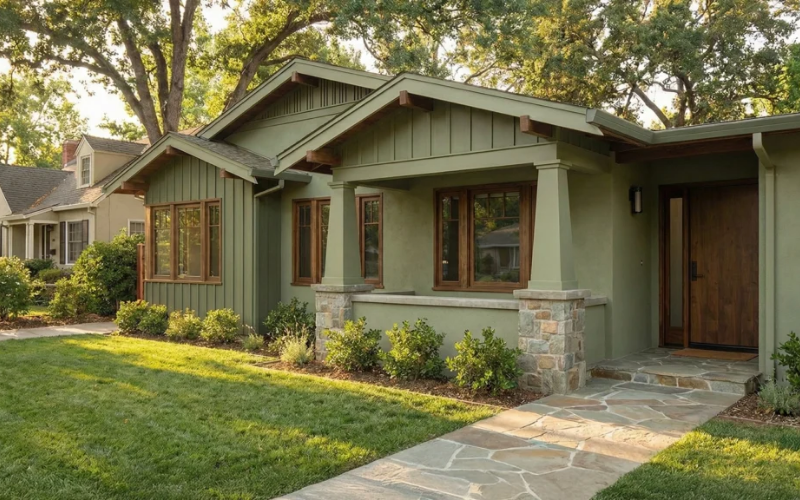
Start with Your Largest Furniture Pieces First
One of the biggest shifts in 2026 is the move towards warmer, earth-inspired palettes. One of the most common mistakes homeowners make is choosing paint before considering their existing furniture.
Instead, start with the largest pieces in the room, such as:
- Sofas
- Dining tables
- Cabinets
- Bed frames
These items usually take up the most visual space and are more expensive to replace later.
For example:
- A warm brown sofa pairs better with beige, cream, or earthy wall tones
- Grey furniture works well with cooler whites, muted blues, or soft greys
- Wooden furniture tends to complement warm neutrals and natural shades
Once you identify the dominant tones in your furniture, selecting a matching wall colour becomes much easier.
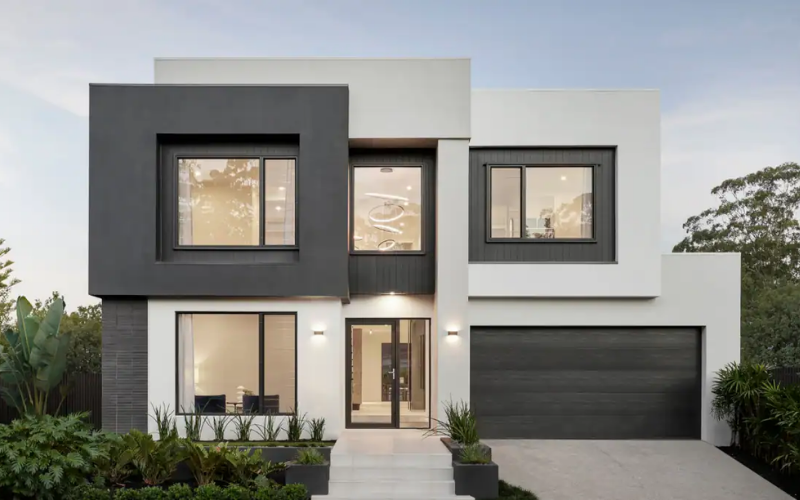
Warm vs Cool Tones: Understanding Colour Balance
One simple way to avoid mismatched interiors is to understand the difference between warm and cool tones.
Warm tones include:
- Beige
- Cream
- Terracotta
- Warm brown
Cool tones include:
- Grey
- Blue
- Sage green
- Cool white
Mixing warm and cool colours is possible, but balance matters. Too many conflicting undertones can make a space feel awkward without you immediately knowing why.
As a general guide:
- Warm furniture works best with warm wall colours
- Cool-toned décor pairs more naturally with cooler paint shades
This creates a smoother visual flow throughout the room.
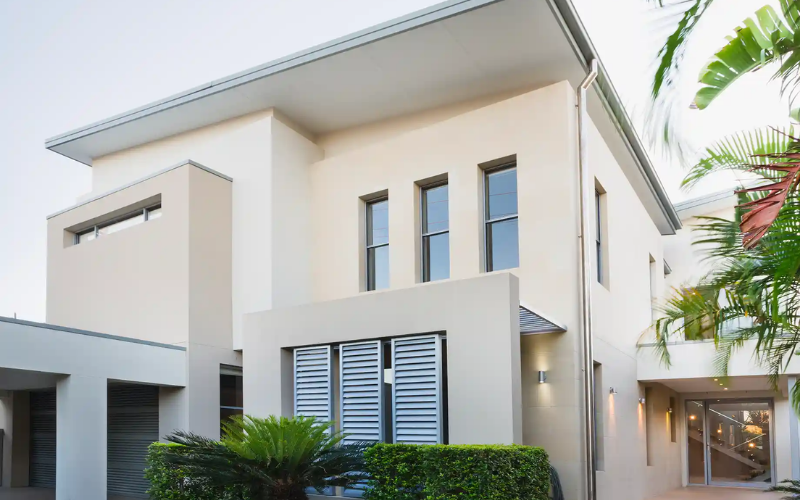
Neutral Wall Colours That Match Almost Any Décor
Neutral colours remain popular for a reason — they’re versatile and easy to style around.
Some of the most reliable options include:
- Soft beige
- Warm white
- Light taupe
- Greige (grey + beige blend)
These colours create a clean foundation that works with most furniture styles, whether modern or traditional.
Neutral walls are also practical for Malaysian homes because they reflect natural light well and help spaces feel brighter and more open.
If you like changing furniture or décor frequently, neutrals give you more flexibility without needing to repaint the entire room.

Using Accent Colours Without Overpowering the Space
Accent colours are a great way to add personality, but they work best when used intentionally.
Instead of covering every wall with bold colours, try introducing them through:
- Cushions
- Curtains
- Rugs
- Feature walls
- Decorative pieces
This approach keeps the room balanced while still allowing colour to stand out.
If you want a stronger wall colour, pairing it with neutral furniture usually creates a cleaner overall look. Likewise, colourful furniture often works better against softer wall shades.
The key is to let one element lead while the others support it.

How Lighting Affects Wall Colours and Furniture
Lighting changes everything.
A paint colour can appear completely different depending on:
- Natural sunlight
- Warm indoor lighting
- Room orientation
- Time of day
In Malaysia, where homes receive strong daylight, colours often appear brighter and warmer during the day.
This is why testing paint samples directly on your walls is so important. Observe how the colour looks:
- Morning vs evening
- Lights on vs lights off
- Against your furniture and flooring
It’s one of the easiest ways to avoid colour regret later.
Final Thoughts on Matching Wall Colours with Furniture
Learning how to match wall colours with furniture doesn’t require professional interior design experience. Most of the time, it comes down to understanding balance, lighting, and how colours interact within a real living space.
Start with the furniture you already have, pay attention to undertones, and don’t rush the decision based on paint samples alone.
A well-chosen colour palette makes a home feel more comfortable, more cohesive, and easier to style over time. And when the walls, furniture, and décor work together naturally, the entire space simply feels better to live in.

Aida - SMP Colour & Paint Specialist
Sharing practical house painting tips, smart techniques, and real-world industry insights.
Table of Contents
- How to Match Wall Colours with Furniture and Home Décor
- Why Wall Colour and Furniture Should Work Together
- Start with Your Largest Furniture Pieces First
- Warm vs Cool Tones: Understanding Colour Balance
- Neutral Wall Colours That Match Almost Any Décor
- Using Accent Colours Without Overpowering the Space
- How Lighting Affects Wall Colours and Furniture
- Final Thoughts on Matching Wall Colours with Furniture


