
Anti Mould Paint Malaysia: Protect Walls from Damp & Fungus
Share This Blog
Anti-Mould Paint: How to Protect Your Walls from Damp and Fungus
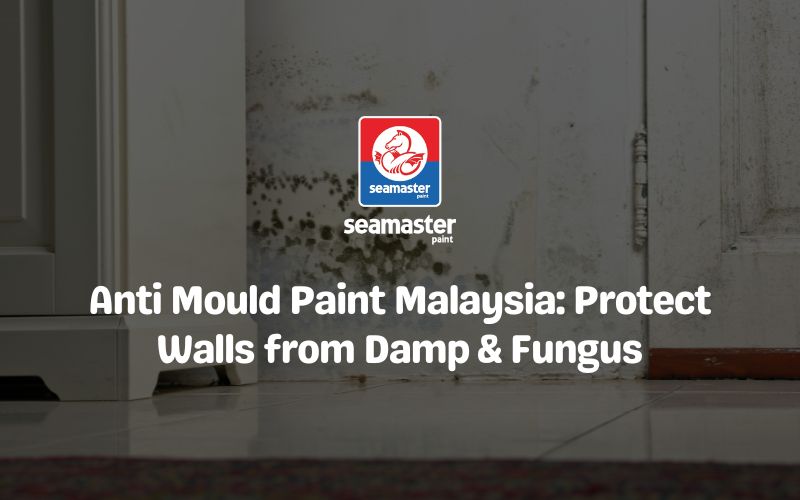
Moisture problems are something many homeowners in Malaysia deal with at some point. Whether it’s dark patches in the bathroom, a musty smell in the bedroom, or peeling paint along the walls, these are often signs of a deeper issue — mould growth caused by damp conditions.
This is where anti mould paint becomes more than just a design choice. It’s a practical solution for protecting your home’s interior surfaces from long-term damage caused by humidity, leaks, and poor ventilation.
What Is Anti-Mould Paint and How Does It Work?
Anti-mould paint is specially formulated to resist the growth of mould, mildew, and fungus on painted surfaces. Unlike regular paint, it contains additives that help prevent microorganisms from developing on walls.
In simple terms, it doesn’t just cover your walls — it actively helps protect them.
When applied properly, this type of paint creates a surface that is less friendly for mould spores to grow. While it doesn’t solve the root cause of moisture issues, it significantly slows down or prevents visible mould from forming.
Why Damp and Mould Are Common Problems in Malaysian Homes
Malaysia’s climate plays a big role in wall damage. The combination of high humidity, frequent rain, and warm temperatures creates the perfect environment for moisture to build up indoors.
Common causes include:
- Poor ventilation in bathrooms and kitchens
- Water leakage from roofs or pipes
- Condensation in air-conditioned rooms
- Walls exposed to constant humidity
Over time, this trapped moisture leads to mould growth, which not only affects the appearance of your home but can also impact indoor air quality.

Signs Your Walls Have Mould or Moisture Damage
before becoming more noticeable.
Look out for:
- Black or green spots on walls and ceilings
- Peeling or bubbling paint
- A musty or damp smell in certain rooms
- Discolouration around corners or hidden areas
If you notice these signs early, treating the surface and repainting with the right product can prevent the problem from getting worse.
Where You Should Use Anti-Mould Paint in Your Home
Not every wall in your home needs anti-mould protection, but certain areas benefit from it more than others.
High-risk areas include:
- Bathrooms and toilets
- Kitchens
- Laundry rooms
- Bedrooms with poor airflow
- Basement or storage areas
In these spaces, moisture levels tend to be higher, making them more prone to mould growth. Using mould-resistant wall paint here can make a noticeable difference in maintenance over time.

Anti-Mould Paint vs Regular Paint: What’s the Difference?
At first glance, all paint may look similar once applied. However, the difference lies in how it performs over time.
Regular paint is mainly designed for colour and coverage. Anti-mould paint, on the other hand, is formulated with protective properties that help resist fungal growth.
While both can improve the look of your walls, only anti-mould paint is designed to handle humid and damp conditions more effectively. This makes it a better long-term choice for areas exposed to moisture.

How to Prevent Mould from Coming Back After Painting
Painting over mould is not enough on its own. If the underlying moisture issue is not addressed, it will eventually return.
To reduce the chances of recurrence:
- Improve airflow in affected rooms
- Fix leaks or water seepage immediately
- Use dehumidifiers in closed spaces
- Clean walls properly before repainting
- Ensure surfaces are completely dry before painting
Anti-mould paint works best when combined with good home maintenance habits.
Final Thoughts: Is Anti-Mould Paint Worth It?
If you live in a humid environment like Malaysia, mould is not just a possibility — it’s something most homes will deal with eventually.
Using anti mould paint is not about avoiding maintenance entirely, but about reducing how often you need to fix the same problem. It helps protect your walls, improve hygiene, and maintain the overall condition of your home.
When combined with proper ventilation and good maintenance habits, it becomes a practical and long-term solution for keeping your interior spaces clean and comfortable.
A well-protected wall is not just about appearance — it’s about making your home healthier and easier to maintain in the long run.
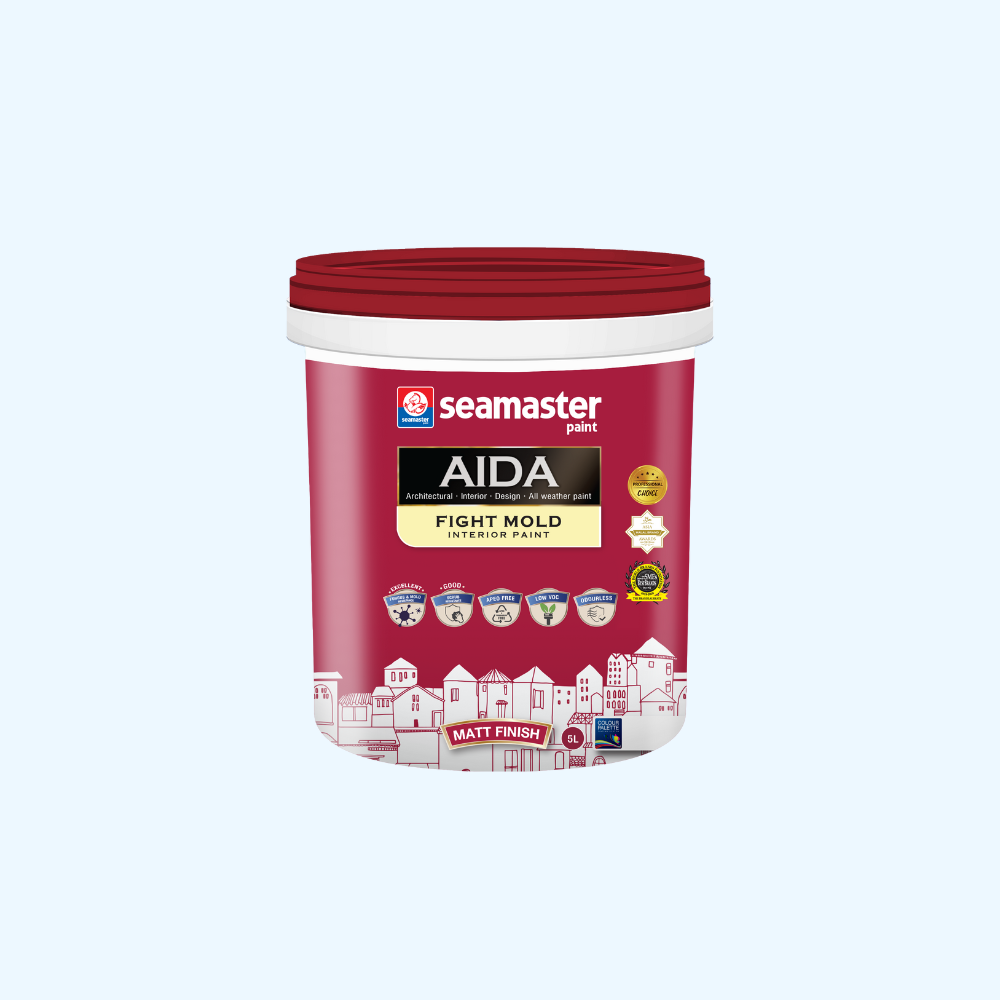
Check out Seamaster Paint Anti-Mould Paints:

SMP Colour & Paint Specialist
Sharing practical house painting tips, smart techniques, and real-world industry insights.
Table of Contents
- Anti-Mould Paint: How to Protect Your Walls from Damp and Fungus
- What Is Anti-Mould Paint and How Does It Work?
- Why Damp and Mould Are Common Problems in Malaysian Homes
- Signs Your Walls Have Mould or Moisture Damage
- Where You Should Use Anti-Mould Paint in Your Home
- Anti-Mould Paint vs Regular Paint: What’s the Difference?
- How to Prevent Mould from Coming Back After Painting
- Final Thoughts: Is Anti-Mould Paint Worth It?


